Last updated: October 12th, 2025 at 15:45 UTC+02:00


How do phone displays affect eye strain?

Daniel van Dorp

Reading time: 6 minutes

close-up of strained human eye reflecting blue light from smartphone screen, showing digital eye strain effects
Knowledge Base

Phone displays affect eye strain through several mechanisms including reduced blinking, focusing stress, and blue light exposure. Digital eye strain symptoms develop from prolonged screen time as your eyes work harder to process pixelated images and maintain focus on close objects. Understanding these effects helps you make informed choices about display technology eye effects and implement effective digital eye strain prevention strategies.

What actually causes eye strain when you look at phone screens?

Digital eye fatigue occurs when your eyes struggle with three main challenges:

  • Reduced blinking frequency (drops by up to 60%)
  • Constant refocusing demands on pixelated text and images
  • Exposure to high-energy visible light

Phone displays differ significantly from natural light sources because they emit light directly into your eyes rather than reflecting it. This creates a more intense visual experience that requires greater effort from your focusing muscles. The small text size on smartphones forces your eyes to work harder, while the close viewing distance (typically 12-24 inches) puts additional strain on your accommodation system.

The refresh rate of phone screens can also contribute to eye fatigue. Lower refresh rates create subtle flickering that your conscious mind doesn't notice, but your eyes detect and respond to constantly. Modern smartphones have improved this with higher refresh rates, but the fundamental challenge of processing artificial light remains.

How does blue light from phone displays affect your eyes?

Blue light wavelengths (380-500 nanometers) from phone screens penetrate deeper into your eye than other visible light colours. While current research shows mixed results about retinal damage, blue light eye strain definitely affects your circadian rhythm and sleep patterns.

Blue Light Effects Daytime Exposure Evening Exposure
Circadian Rhythm Helps maintain alertness Suppresses melatonin production
Sleep Impact Minimal effect Makes it harder to fall asleep
Eye Fatigue Moderate strain Increased strain in low light

Your eyes lack natural filters for blue light, unlike ultraviolet protection. This means blue light reaches your retina directly, potentially contributing to digital eye strain symptoms. The high-energy nature of blue light wavelengths requires more effort from your eyes to process, leading to faster fatigue during extended phone use.

The timing of blue light exposure matters more than the amount. Evening exposure disrupts your natural sleep-wake cycle, while daytime blue light exposure can actually help maintain alertness. Understanding this helps you make better decisions about when and how to limit blue light from your phone displays.

What are the most common symptoms of phone-related eye strain?

Eye fatigue symptoms from smartphone use typically appear after 20-30 minutes of continuous phone use and worsen with longer sessions. Common symptoms include:

  • Dry eyes – Caused by reduced blinking frequency
  • Headaches – Result from constant focusing effort on small text
  • Blurred vision – Particularly when looking at distant objects after screen time
  • Neck and shoulder pain – From poor posture while viewing screens
  • Difficulty focusing – On distant objects after extended phone use

Dry eyes occur because you blink less frequently when concentrating on phone screens. Normal blinking spreads tears across your eye surface, but reduced blinking leaves eyes feeling gritty and uncomfortable. Headaches often develop from the constant focusing effort required to read small text and view detailed images on phone displays.

Blurred vision, particularly when looking at distant objects after phone use, happens because your focusing muscles become locked in the near-vision position. This temporary condition usually resolves within minutes but indicates your eyes are working too hard. Neck and shoulder pain develop from poor posture as you lean forward or crane your neck to view your phone screen comfortably.

These symptoms can appear individually or together, and their severity often correlates with screen time duration and viewing conditions. Poor lighting environments typically worsen all symptoms of smartphone eye strain.

Which phone display settings can help reduce eye strain?

Several phone screen brightness and display adjustments can significantly reduce eye strain:

Setting Recommendation Best Used When
Screen Brightness Match surrounding environment All conditions
Dark Mode Enable in low-light conditions Evening/night use
Text Size Increase to reduce focusing strain Extended reading sessions
Blue Light Filter Activate automatically at sunset Evening hours

Adjusting screen brightness to match your surrounding environment is the most effective display setting change. Your screen should be slightly brighter than your surroundings during the day and dimmer in low-light conditions. Most smartphones offer automatic brightness adjustment, but manual control often works better for eye comfort.

Dark mode reduces overall light output from your phone display, particularly helpful in low-light environments. This setting switches background colours from white to black, reducing the contrast your eyes must process. However, dark mode works best in dim conditions; bright environments may actually make dark mode harder to read.

Many modern smartphones include built-in blue light filters:

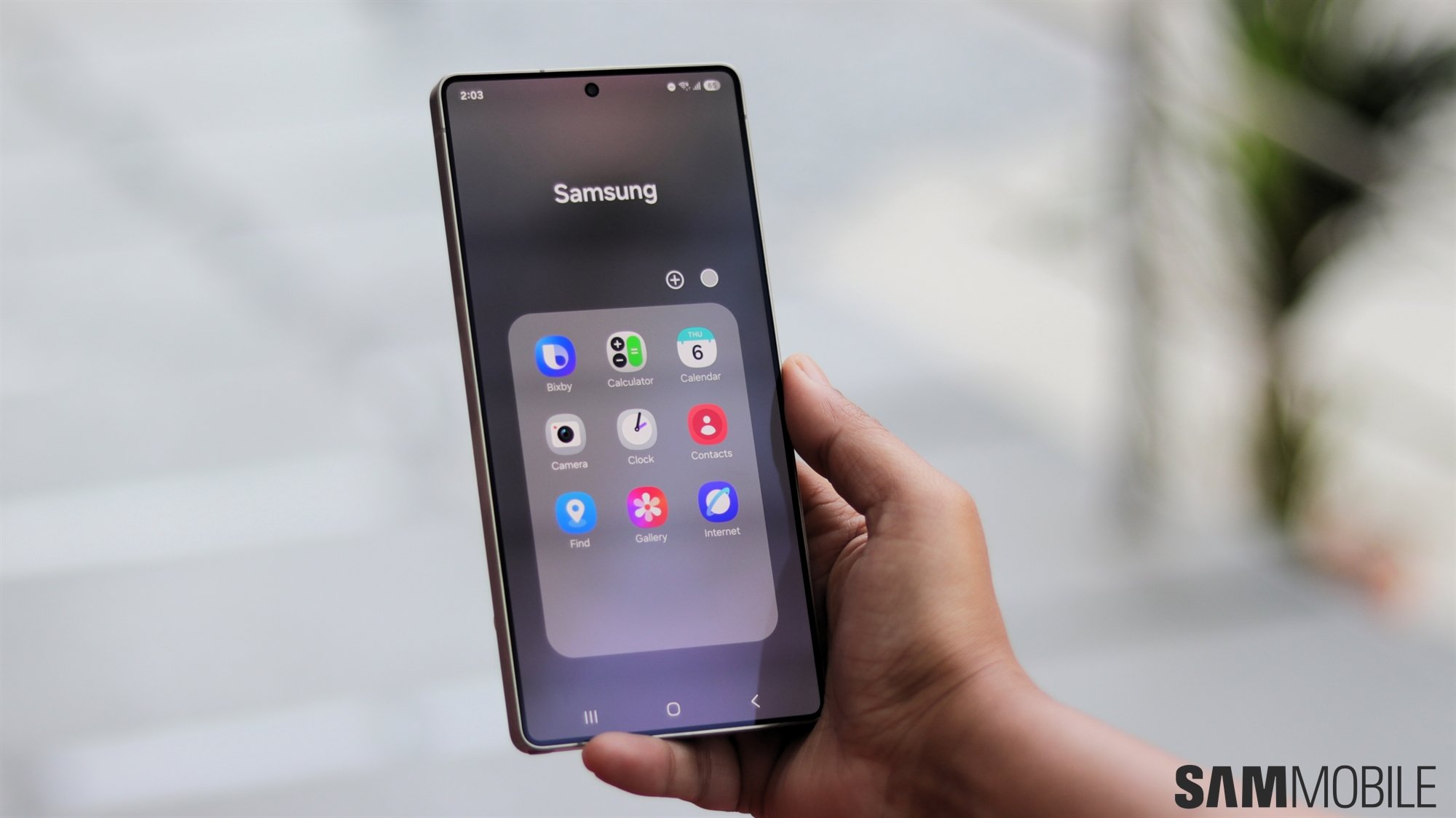
  • Samsung phones: “Eye Comfort Shield”
  • iPhones: “Night Shift” functionality
  • Android devices: Various “Night Light” or “Blue Light Filter” options

How can you protect your eyes during extended phone use?

The 20-20-20 rule provides the most effective protection during extended phone use: every 20 minutes, look at something 20 feet away for 20 seconds. This simple practice relaxes your focusing muscles and helps prevent digital eye strain from developing during long screen sessions.

Essential eye protection strategies include:

  • Proper viewing distance: Hold phone 16-24 inches from eyes, slightly below eye level
  • Environmental lighting: Avoid complete darkness or very bright sunlight
  • Regular breaks: Take 30-second breaks every few minutes
  • Deliberate blinking: Blink several times during breaks to refresh tear film
  • Artificial tears: Use preservative-free options for persistent dry eyes

Maintaining proper viewing distance keeps your eyes comfortable during phone use. This distance reduces focusing strain while the downward angle encourages complete blinking, keeping your eyes naturally lubricated.

Environmental lighting plays a crucial role in reducing screen time eye health problems. Avoid using your phone in complete darkness, as the contrast between the bright screen and dark surroundings forces your pupils to constantly adjust. Similarly, avoid phone use in very bright sunlight, which creates glare and forces you to increase screen brightness unnecessarily.

Consider using artificial tears if you experience persistent dry eyes during phone use. These lubricating drops replace the natural moisture lost through reduced blinking. Choose preservative-free options for frequent use, and apply them before you feel discomfort rather than waiting for symptoms to develop.

Understanding how phone displays affect eye strain helps you make informed decisions about your digital habits and device settings. By implementing proper viewing techniques, optimising display settings, and taking regular breaks, you can significantly reduce digital eye fatigue while maintaining your connection to the technology that matters most. At SamMobile, we believe that informed users make better choices about their smartphone experience, including protecting their long-term eye health during daily device use.