
Last updated: November 10th, 2025 at 13:55 UTC+01:00


How do phone calculators compare to traditional ones?

Daniel van Dorp

Reading time: 5 minutes

Phone calculators and traditional calculators both perform mathematical operations, but they differ significantly in form and function. A smartphone calculator is a software application that runs on your device, whilst a traditional calculator is dedicated hardware built specifically for calculations. Phone calculator apps offer flexibility and advanced features, whilst physical calculators provide tactile feedback and distraction-free use. Understanding these differences helps you choose the right tool for your needs.

What's the real difference between phone calculators and traditional ones?

The fundamental difference lies in their nature: phone calculators are software applications running on multipurpose devices, whilst traditional calculators are dedicated hardware designed solely for mathematical operations. Your smartphone calculator uses your phone's processor and operating system to perform calculations, displaying results on the same screen you use for everything else. A physical calculator has its own processor, display, and buttons built into a single-purpose device.

This hardware versus software distinction affects how each operates:

  • Updates and evolution: Calculator apps can be updated with new features through software updates, gaining functionality over time without requiring new hardware. Traditional calculators remain static, offering the same features from purchase through their entire lifespan.
  • Connectivity: Your phone calculator integrates with other apps and services, whilst a physical calculator operates independently without connectivity.
  • Computing power: Digital calculator apps leverage your phone's computing power, which far exceeds what most traditional calculators offer. However, physical calculators optimize their limited resources specifically for mathematical operations, making them efficient at their singular task.

Both approaches have merit depending on your requirements and usage context.

How accurate are phone calculators compared to physical calculators?

Phone calculators and traditional calculators deliver identical accuracy for standard arithmetic operations like addition, subtraction, multiplication, and division. Both use binary arithmetic and follow the same mathematical principles, so you'll get the same result whether you calculate 2,847 × 36 on your smartphone or a physical calculator. The accuracy concerns people sometimes have about phone calculators are largely unfounded for everyday calculations.

Where differences might appear is in floating-point arithmetic and very complex scientific calculations. Both types of calculators handle decimal numbers using floating-point representation, which can occasionally produce tiny rounding errors in lengthy decimal calculations. These errors are negligible for practical purposes and affect phone calculators and traditional ones equally. You can trust your smartphone calculator for financial planning, budgeting, and general mathematics without worry.

For advanced scientific calculations, the quality of the calculator app matters more than whether it's on a phone or a physical device. Professional-grade calculator apps on smartphones often surpass basic scientific calculators in precision and capability. However, specialized scientific calculators designed for engineering or research may offer specific functions optimized for accuracy in niche applications. For the vast majority of calculations you perform daily, your phone calculator is perfectly reliable and accurate.

What features do phone calculators have that traditional ones don't?

Phone calculators offer numerous advantages that physical calculators simply cannot match:

  • Calculation history: Scroll back through previous operations, review your work, and reuse earlier results without re-entering numbers.
  • Copy and paste functionality: Move results seamlessly into messages, spreadsheets, or notes, integrating with your broader digital workflow.
  • Unit conversions and currency exchange: Many calculator apps include built-in converters for measurements, temperatures, distances, and currencies with real-time exchange rates, eliminating the need for separate conversion tools.
  • Customizable interfaces: Choose themes and button layouts that suit your preferences and working style.
  • Advanced capabilities: Access graphing capabilities, equation solvers, and programmable functions that would require expensive specialized hardware in traditional form.
  • Multiple calculator types: Install different calculator apps optimized for specific tasks, whether that's basic arithmetic, scientific calculations, or financial planning.

Your phone essentially becomes dozens of different calculators depending on which app you use.

When should you use a traditional calculator instead of your phone?

Traditional calculators remain superior in specific situations where their unique advantages matter most:

Examination and testing environments

Schools and testing centres frequently ban smartphones to prevent cheating, but allow dedicated calculators. If you're taking standardized tests, professional certification exams, or academic assessments, a physical calculator is often your only permitted option. Many students also prefer practising with the same calculator they'll use during exams to build familiarity and speed.

Battery reliability and professional settings

Physical calculators run for years on a single battery or solar power, whilst your phone needs daily charging. If you work in environments where reliable calculation tools matter and charging opportunities are limited, a dedicated calculator won't die at inconvenient moments. You also avoid the distraction risk that comes with having your phone available—no notifications, messages, or temptation to check social media when you should be working.

Tactile feedback and speed

The tactile feedback from physical calculator buttons helps many people work faster and more accurately than touchscreen interfaces. You can feel each button press, reducing input errors and enabling rapid number entry without looking at the keyboard. Accountants, engineers, and finance professionals who perform calculations constantly often prefer physical calculators for this reason.

Shared use and dedicated workspaces

Traditional calculators work perfectly in situations where you need to share calculation tools with others or leave a calculator in a specific location like a workshop or office desk.

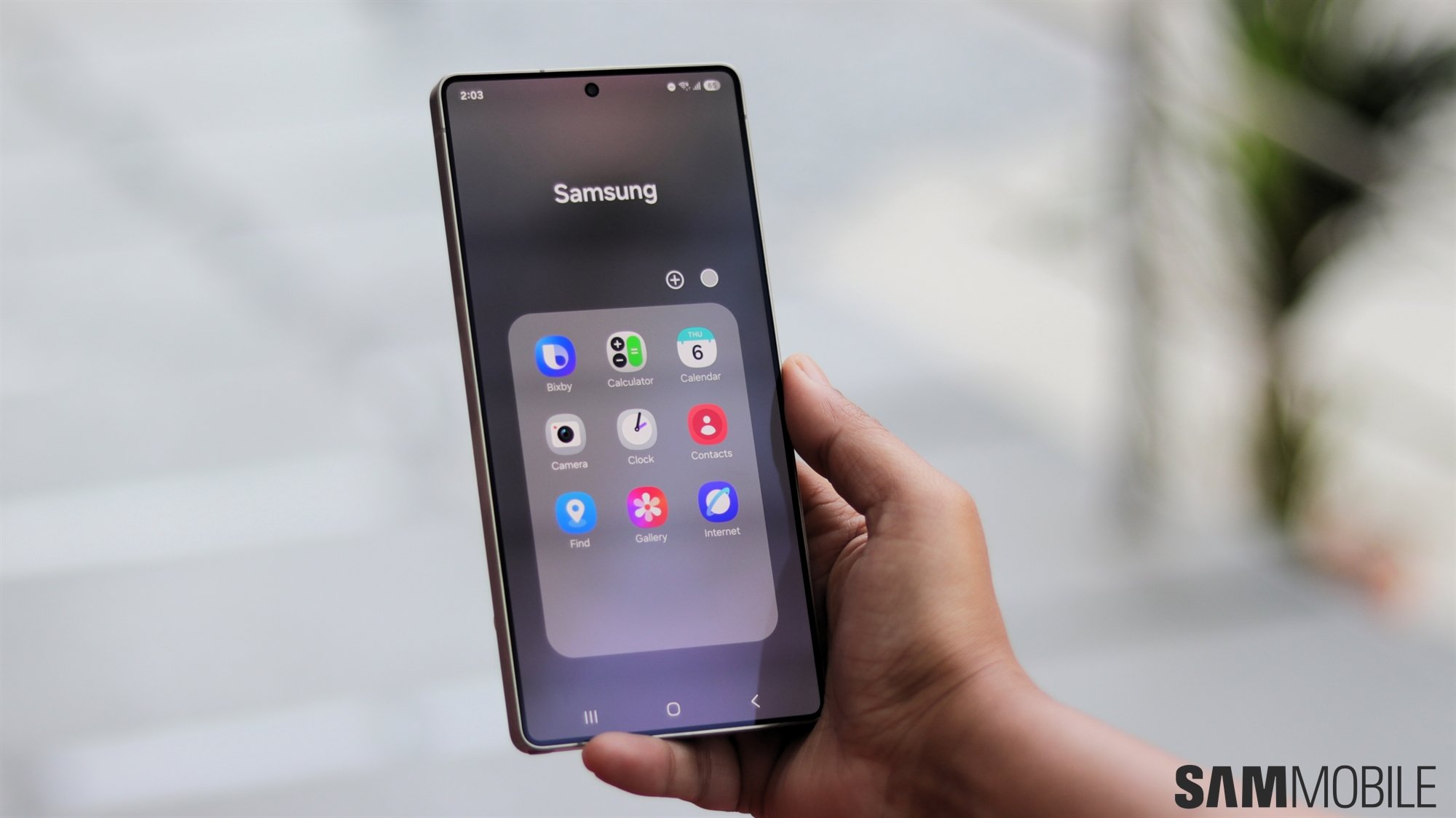
Both phone calculators and traditional ones serve important purposes in our digital world. Your smartphone calculator offers convenience, advanced features, and integration with other apps that make it perfect for everyday calculations. Physical calculators provide reliability, distraction-free operation, and tactile precision that remain valuable in specific contexts. At SamMobile, we recognize that Samsung devices offer excellent calculator apps with thoughtful features, but we also understand that the right tool depends entirely on your situation and preferences.