
HAPPY HOLIDAYS – SamMobile. Awesome deals Galaxy Z Fold7, Watch8, S25 Ultra and S95F OLED TV
Last updated: November 10th, 2025 at 13:41 UTC+01:00
SamMobile has affiliate and sponsored partnerships, we may earn a commission.
Reading time: 5 minutes
Organizing apps on your phone effectively means grouping similar apps together, keeping your most-used apps easily accessible, and maintaining a clutter-free home screen. This involves creating logical folders, prioritizing which apps deserve prime placement, and regularly reviewing your app collection. A well-organized phone helps you find what you need quickly, reduces time spent scrolling through screens, and creates a more pleasant digital experience.
A tidy phone layout saves you time every single day and reduces the mental fatigue that comes from digital clutter. When you organize apps on your phone properly, you stop wasting precious seconds searching through multiple screens for the app you need. Those seconds add up to minutes each day, and that time could be better spent actually using your phone productively.
Phone home screen organization directly impacts how you interact with your device. A chaotic arrangement encourages mindless scrolling and makes you more likely to get distracted by apps you didn't intend to open. When everything has its place, you develop muscle memory for where your apps live, making your phone feel more intuitive and responsive to your needs.
The psychological benefits matter too. Just as a clean desk helps you think more clearly, an organized smartphone creates a sense of control over your digital life. Many people find that decluttering phone apps reduces anxiety and makes them feel more in command of their technology rather than overwhelmed by it.
The most effective grouping strategy depends on how you actually use your phone. Consider these proven approaches:
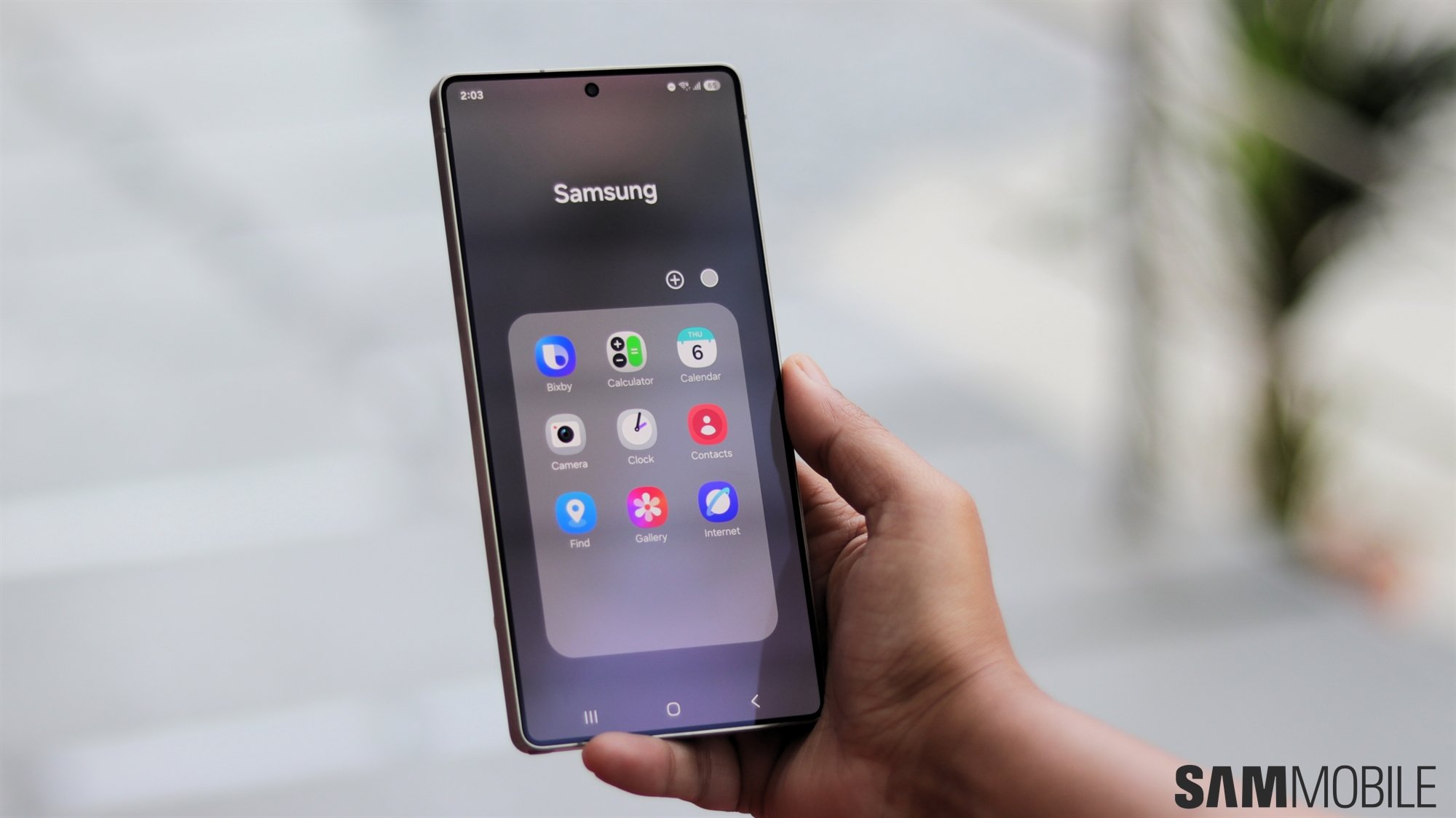
Creating folders is straightforward on most phones—simply press and hold an app, then drag it onto another app to automatically create a folder. The real skill lies in naming folders clearly and deciding what actually belongs together. Use simple, descriptive names like “Social” or “Work” rather than vague labels that won't make sense later.
Keep folders manageable by limiting them to 9-12 apps each. Overcrowded folders defeat the purpose because you'll still need to scroll and search within them. If a folder grows too large, split it into more specific categories that better reflect how you use those apps.
Within each folder, arrange apps strategically. Put your most-used apps in the top-left position where they're easiest to tap quickly. Less frequently used apps can go towards the bottom. This internal organization makes a surprising difference in how efficiently you can navigate your phone.
Review your folders monthly and adjust as needed. Apps you thought belonged together might not make sense after you've used your system for a while. Stay flexible and refine your approach based on real usage patterns rather than sticking rigidly to your initial setup.
Your home screen deserves only your most frequently used apps—typically 8-12 apps that you access multiple times daily. These might include:
Everything else should live in folders or on secondary screens.
Think about workflow integration when deciding what earns home screen placement. Apps that you use in sequence or that trigger important daily habits deserve prominent positioning. Your morning routine apps, for instance, might warrant home screen access if they help you start your day effectively.
A minimalist approach keeps only 4-6 apps on the home screen with everything else tucked away. This reduces distractions and creates visual breathing room, though it requires more intentional folder organization to keep other apps accessible. A maximalist approach fills the home screen with frequently used apps but risks feeling cluttered if not carefully curated.
Consider leaving some empty space on your home screen. This isn't wasted real estate—it's visual clarity that makes your phone feel calmer and more purposeful. You'll also appreciate the clean aesthetic every time you glance at your device.
Sustaining an organized phone requires ongoing habits and periodic maintenance: