
Last updated: January 15th, 2026 at 13:15 UTC+01:00


How do I find downloaded files on my phone?

Daniel van Dorp

Reading time: 5 minutes

Downloaded files on your phone typically go to a dedicated Downloads folder in your device's internal storage. You can find them through your file manager app, Downloads app, or by checking your notification panel after downloading. However, some files might appear in app-specific folders or cloud storage depending on where and how you downloaded them.

Where do downloaded files actually go on your phone?

Most downloaded files automatically save to the Downloads folder in your phone's internal storage. This folder acts as the default destination for files you download from web browsers, email attachments, and messaging apps on Android devices, including Samsung Galaxy phones.

The Downloads folder creates a centralized location for all your downloaded content, making it easier to find files later. When you download something, your phone's operating system places it in this folder unless you specifically choose a different location or the app has its own storage preferences.

Files sometimes seem to disappear because different apps handle downloads differently. Social media apps like WhatsApp or Instagram often save images and videos to their own dedicated folders rather than the main Downloads directory. Similarly, some apps save files directly to cloud storage services, which means they're not actually stored on your device's physical memory.

Your Android Downloads folder is typically located at /storage/emulated/0/Download/ in your phone's file system, though you don't need to know this technical path to access your files through normal methods.

How do you access downloaded files using your phone's built-in tools?

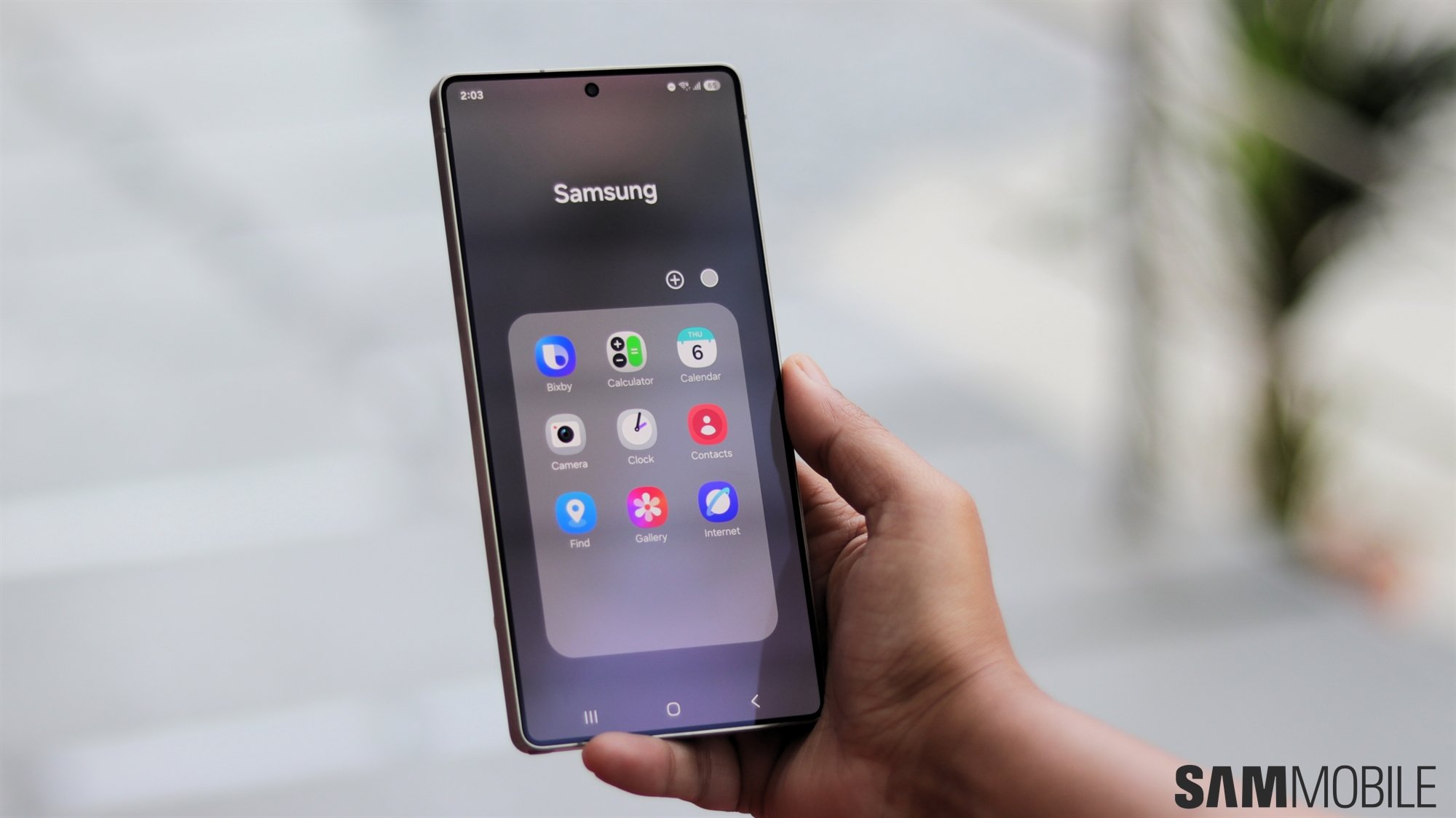
The fastest way to find downloaded files is through your phone's file manager app, which comes pre-installed on most Android devices. Samsung Galaxy phones include a “My Files” app that provides direct access to your Downloads folder with just a few taps.

Here's how to access your downloads using built-in tools:

  • Open your file manager (called “Files,” “My Files,” or “File Manager,” depending on your phone)
  • Look for a Downloads section on the main screen, or navigate to Internal Storage and find the Downloads folder
  • Your recently downloaded files will appear here in chronological order

Many Android phones also include a dedicated Downloads app in your app drawer. This app shows only downloaded files, making it quicker than browsing through the file manager when you're specifically looking for something you've downloaded.

The notification panel offers another quick shortcut. After downloading a file, you can often tap the download notification to open the file directly or access the Downloads folder. This works particularly well for recent downloads before notifications are cleared.

What's the easiest way to find specific types of downloaded files?

Most file manager apps include category filters that sort your downloads by file type, making it simple to find images, documents, music, or apps without scrolling through everything. These filters save considerable time when you're looking for specific content.

Here are the most effective methods to locate specific downloaded files:

  • Use search functionality: Type keywords related to your file in your file manager's search bar to find files by name or source
  • Check Gallery apps: Downloaded images automatically appear in your photo gallery, organized by date
  • Look in document viewers: PDF and document files often integrate with apps like Google Drive or Adobe Reader
  • Use file type filters: Filter by “Apps” or “APK” to locate installation packages and application files

For images and photos, check both the Downloads folder and your Gallery app. Many downloaded images automatically appear in your photo gallery, organized by date. Screenshots and saved images from social media might be in separate folders within your gallery.

Document files like PDFs often integrate with document viewer apps on your phone. Check apps like Google Drive, Adobe Reader, or your phone's built-in document viewer, as they sometimes show recently accessed files, including downloads.

APK files and other installation packages typically remain in Downloads unless you've moved them. Use your file manager's “Apps” or “APK” filter to locate these files quickly when you need to install or share applications.

Why can't you find some downloaded files and how do you fix it?

Missing downloads usually result from app-specific storage locations or cloud-based downloads that don't save files to your device. Many apps create their own folders or save content to online services rather than your local Downloads folder.

Common reasons for missing files and solutions:

  • App-specific storage: WhatsApp saves media to WhatsApp/Media folders, while browsers might have their own download directories
  • Cloud downloads: Google Drive, Dropbox, and OneDrive downloads often go directly to their cloud folders rather than local storage
  • Storage permissions: Check app permissions in Settings > Apps and enable storage access if disabled
  • Failed downloads: Verify downloads completed successfully by checking file sizes and available storage space

Check app-specific folders when files seem to be missing. WhatsApp saves media to WhatsApp/Media folders, while browsers might have their own download directories. Social media apps often store saved content in dedicated folders that don't appear in your main Downloads area.

Cloud downloads can be confusing because the file appears to download but actually saves to online storage. Google Drive, Dropbox, and OneDrive downloads often go directly to their respective cloud folders rather than your phone's local storage. Check these apps directly to find your files.

Storage permission issues can prevent apps from saving files to expected locations. Go to Settings > Apps, select the app you used for downloading, and check its storage permissions. Enable storage access if it's disabled, then try downloading again.

Some downloads fail silently due to insufficient storage space or network interruptions. Check your available storage in Settings > Storage, and clear space if needed. Also verify that downloads completed successfully by checking file sizes and ensuring they open properly.

Finding downloaded files on your phone becomes straightforward once you understand where different types of content typically save and how to use your device's built-in tools effectively. Remember that we at SamMobile regularly cover Samsung-specific tips and Android file management features to help you get the most from your smartphone storage and organization capabilities.