Last updated: February 13th, 2026 at 12:43 UTC+01:00
SamMobile has affiliate and sponsored partnerships, we may earn a commission.
Reading time: 4 minutes
Deleting apps from your phone helps free up storage space and improve device performance. You can remove apps by dragging them to an uninstall option, using your phone's settings menu, or selecting multiple apps at once through the app drawer. The process varies slightly between Samsung Galaxy devices and other Android phones, but most methods are straightforward and take just a few taps.
The simplest method to delete apps from your phone is to drag the app icon to the “Uninstall” or bin option that appears on your screen. Here are the most effective approaches:
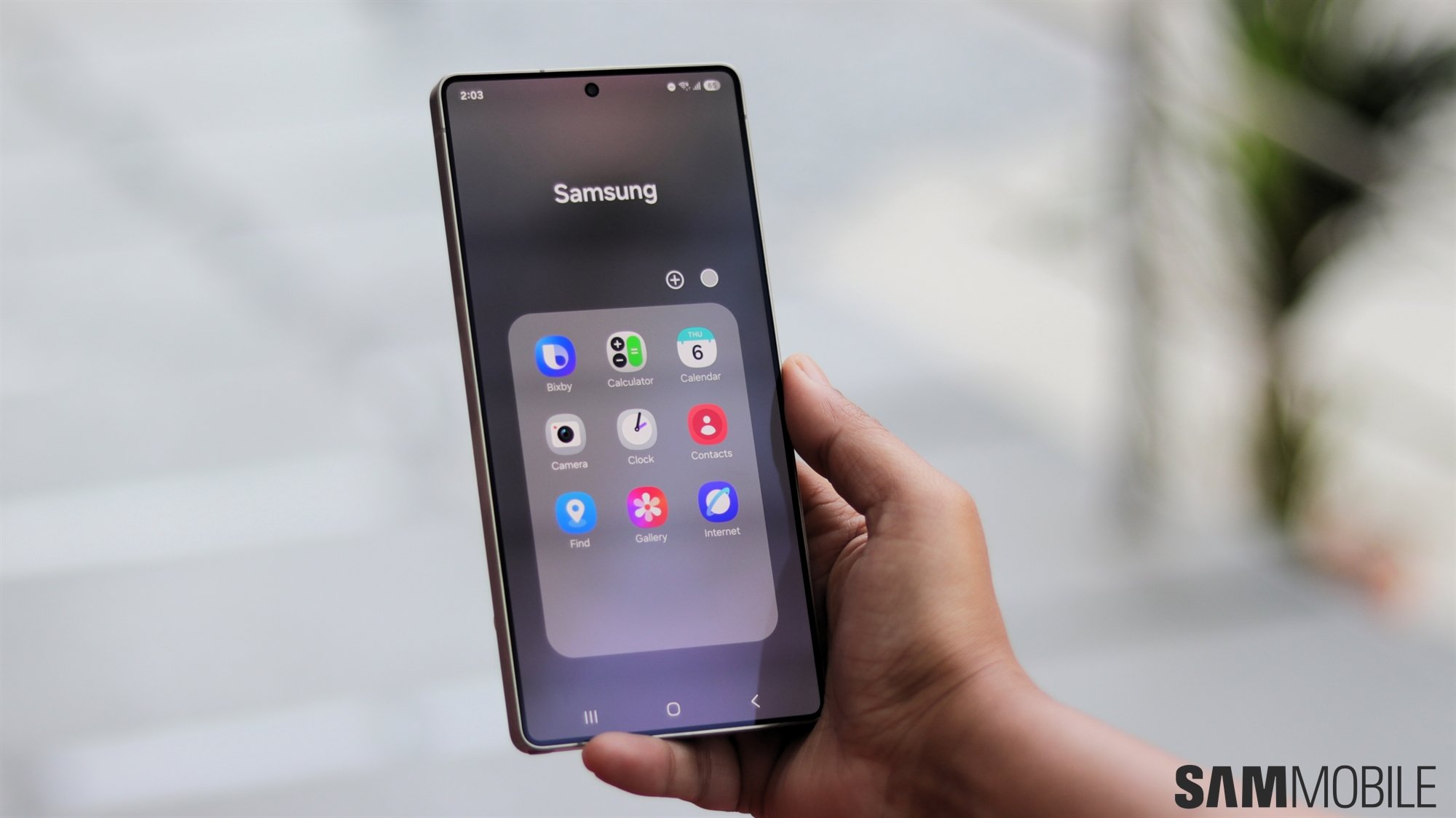
On Samsung Galaxy devices, press and hold any app icon on your home screen or in your app drawer, then drag it to the “Uninstall” text that appears at the top of your screen. This method works from both locations and provides instant removal with minimal steps.
For a more detailed approach, remove apps through your phone's settings menu:
This method works consistently across most Android devices and gives you more information about each app before removal, including storage usage and data details.
The settings menu approach provides additional benefits, such as showing how much storage each app uses before you decide to remove it. This helps you prioritise which apps to delete when you're trying to optimise phone storage space.
Some apps cannot be deleted because they are pre-installed system apps that Samsung or Google considers essential for your phone's basic functionality. These restrictions exist for several reasons:
Instead of deleting these apps, you can disable them to prevent them from running and taking up active memory:
This stops the app from updating, sending notifications, or consuming system resources, though it remains installed on your device. The difference between disabling and uninstalling is significant: disabled apps don't appear in your app drawer but still occupy storage space, while uninstalled apps are completely removed.
Samsung Galaxy devices offer efficient methods to remove multiple apps simultaneously, saving time during device cleanup:
For strategic app removal based on storage impact:
For optimal results, combine both approaches: use size-sorting to identify storage-heavy applications, then use the app drawer's multi-select feature to remove several smaller apps that clutter your device interface.
When you uninstall an app from your phone, several types of data are affected differently:
Before removing apps with significant local data, consider these factors:
Android's automatic backup feature may preserve some app data in your Google account, depending on the app's design and your backup settings. This backup system can restore app data when you reinstall applications, though the extent of data recovery varies by app.
Managing your phone's apps effectively involves knowing which applications you can safely remove and understanding the various methods available for app removal. Whether you're freeing up storage space or simply organising your device, these techniques help you maintain a cleaner, more efficient smartphone experience. We hope this guide helps you better manage your Samsung Galaxy or Android device's applications and storage space.

Daniel is the proud co-founder of SamMobile. He joined the SamMobile team in 2011. Most of his spare time is spent enjoying nature (and life in general) with his wife & dog, friends, and family.