Last updated: July 15th, 2025 at 15:15 UTC+02:00
SamMobile has affiliate and sponsored partnerships, we may earn a commission.
ChromeOS will be built on top of the Android platform. This means Galaxy Chromebooks and Galaxy phones will have the same underlying platform.
Reading time: 2 minutes
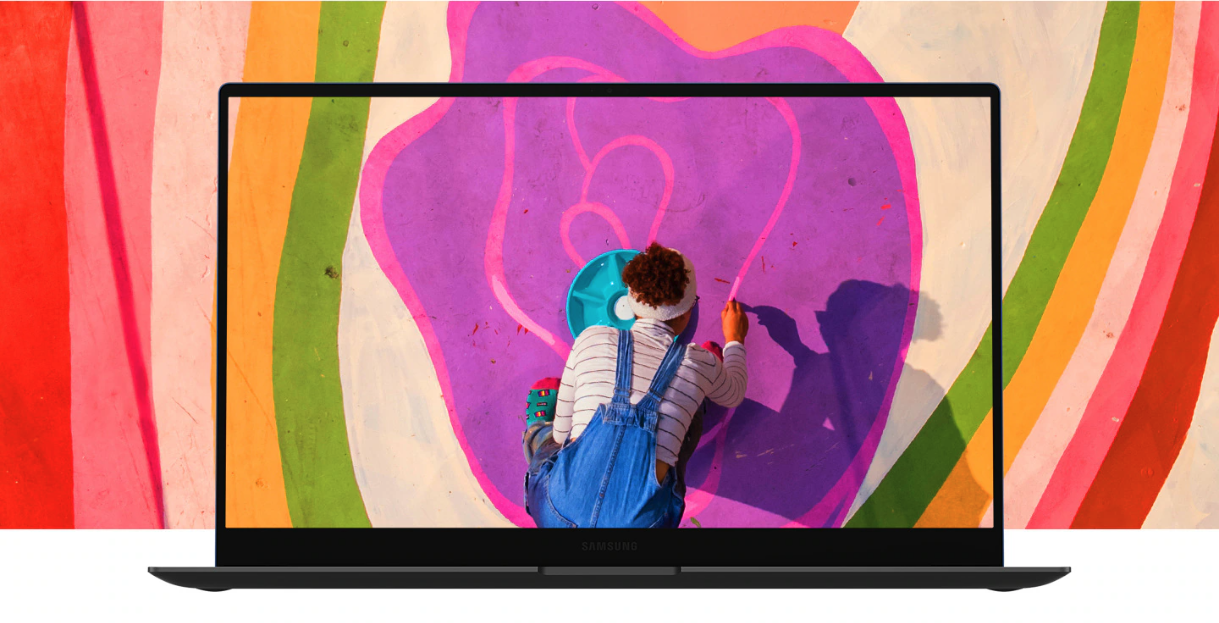
Last week, Google revealed that Android and ChromeOS will be merged to bring the two platforms by Google a lot closer. This announcement generated a lot of excitement and questions among consumers who use those platforms. So, Google has now shed more light on how its decision will improve the integration with Android phones and ChromeOS laptops.
After announcing the merger of the two operating systems, Sameer Samat, President of the Android Ecosystem at Google, revealed additional information in a follow-up post on X. They said Google is now building ChromeOS on top of Android's underlying technology. It means both platforms will now share largely the same codebase, similar to how Apple currently handles things with iOS, iPadOS, and macOS. It will simplify engineering for Google
Samat also said that moving to Android's underlying technology for ChromeOS will help Google iterate faster and unlock new levels of performance. This move will also make Android phones (and tablets) and ChromeOS laptops work better together. It will also allow Google to bring more AI features to ChromeOS laptops like the Galaxy Chromebook Plus.
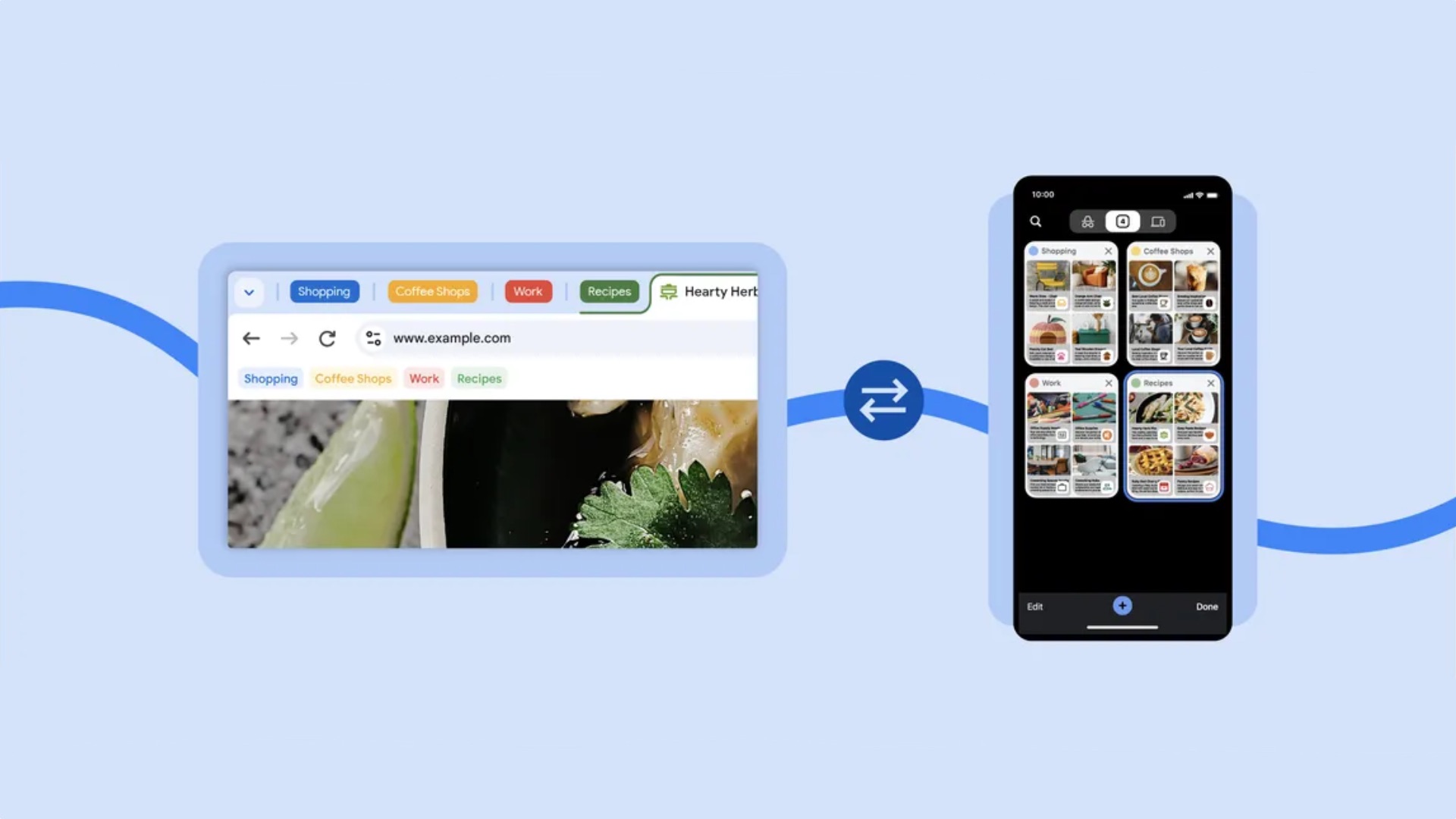
Google already offers some common features between Android and ChromeOS, and they include Gemini AI, Fast Pair, and Quick Share. Going forward, expect more features and services in common between the two platforms. So, you may be able to access apps, data, and files on your Galaxy smartphone, tablet, and Chromebook laptop. Since ChromeOS will be based on Android, expect it to be able to run more professional-grade Android apps.
With Android 16, Google brought the Desktop Mode. This feature, explained in Google's own terms, is inspired by Samsung DeX. It allows apps to be used in freeform windows, allowing you to maximize and minimize them or use them in side-by-side (split-screen) multitasking. So, it is evident that Android and ChromeOS are getting closer, and the only differentiator between them will likely be the device form factor.
Chromebooks are pretty popular in enterprise and K12 education segments. And Google has confirmed that ChromeOS will continue to deliver unmatched security, a consistent UI and UX, and extensive management capabilities.
Image Credits: Samsung, Google

Asif is a computer engineer turned technology journalist. He has been using Samsung phones since 2004, and his current smartphone is the Galaxy S23 Ultra. He loves headphones, mechanical keyboards, and PC hardware. When not writing about technology, he likes watching crime and science fiction movies and TV shows.