Last updated: February 7th, 2026 at 19:29 UTC+01:00
SamMobile has affiliate and sponsored partnerships, we may earn a commission.
The phones aren't getting built-in magnets for Qi2 charging, but they likely bring improved wireless charging speeds.
Reading time: 2 minutes
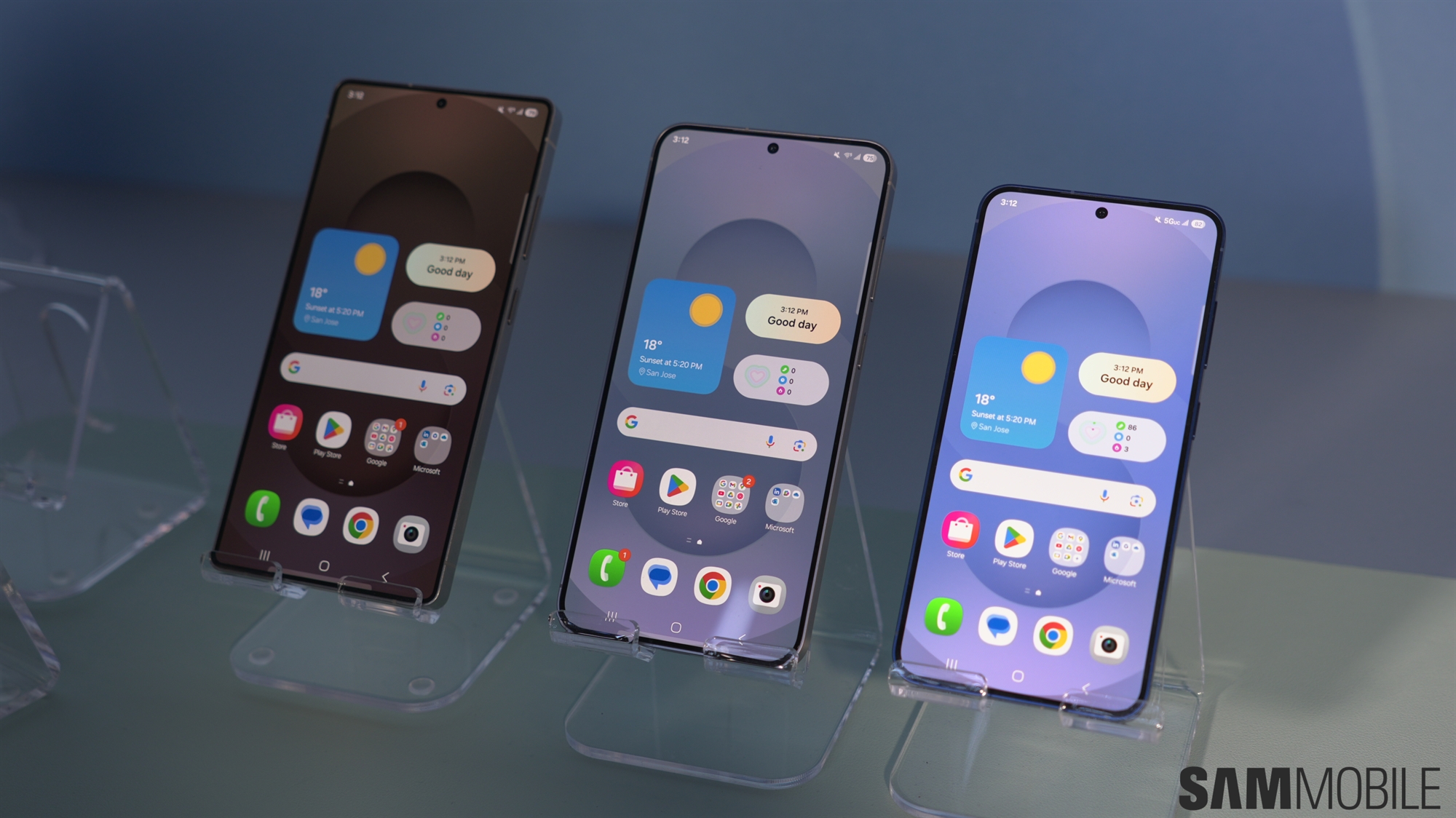
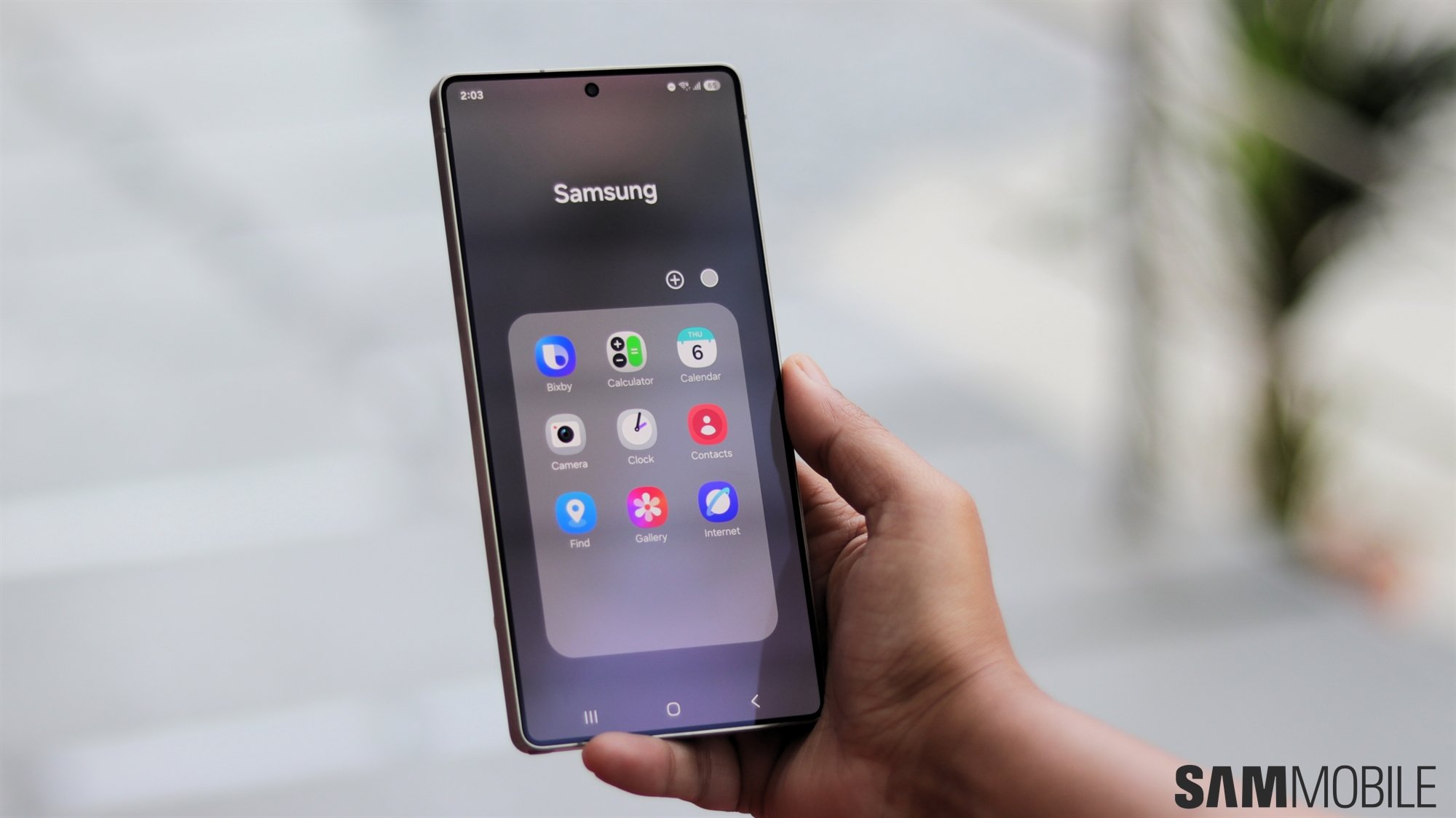
For the first time since the Galaxy S10, Samsung appears to be upgrading wireless charging speeds on its phones. The Galaxy S26, Galaxy S26+, and Galaxy S26 Ultra are rumored to feature 20W or faster wireless charging. However, the exact Qi standard version they support was previously unclear. Now, that information has been revealed.
The Galaxy S26, Galaxy S26+, and Galaxy S26 Ultra have appeared (via 9To5Google) in the Wireless Power Consortium (WPC) database with model numbers SM-K772, SM-K777, and SM-K778, respectively. Samsung has used masked model numbers instead of the actual ones (SM-S942B, SM-S947B, and SM-S948B), as the devices have not yet been announced.
Information from the WPC certification reveals that the phones support the Qi 2.2.1 standard, the same version used in the Pixel 10 series. However, they use the Base Power Profile (BPP) instead of the Magnetic Power Profile (MPP), which means they do not have built-in magnets and must rely on cases with integrated magnets to attach to accessories such as Qi2 chargers, power banks, and wallets.
Unlike what was rumored earlier, it is now confirmed that the Galaxy S26 series does not include built-in magnets for wireless charging. This confirmation is in line with a recent report. The phones could still offer faster wireless charging: 20W for the Galaxy S26 and the Galaxy S26+ and 25W for the Galaxy S26 Ultra.
Samsung has also developed a Qi2.2 compatible wireless charging puck for the Galaxy S26 series, and we exclusively published its first images. It has a nylon braided cable and could launch later this month.
In comparison, the Galaxy S25, Galaxy S25+, Galaxy S25 Ultra, Galaxy Z Flip 7, and the Galaxy Z Fold 7 have the Qi 2.1.0 certification, which limits them to 15W wireless charging. They also need cases with built-in magnets to work with Qi2 accessories.

Asif is a computer engineer turned technology journalist. He has been using Samsung phones since 2004, and his current smartphone is the Galaxy S23 Ultra. He loves headphones, mechanical keyboards, and PC hardware. When not writing about technology, he likes watching crime and science fiction movies and TV shows.