Last updated: January 14th, 2020 at 10:44 UTC+01:00
SamMobile has affiliate and sponsored partnerships, we may earn a commission.
Reading time: 2 minutes
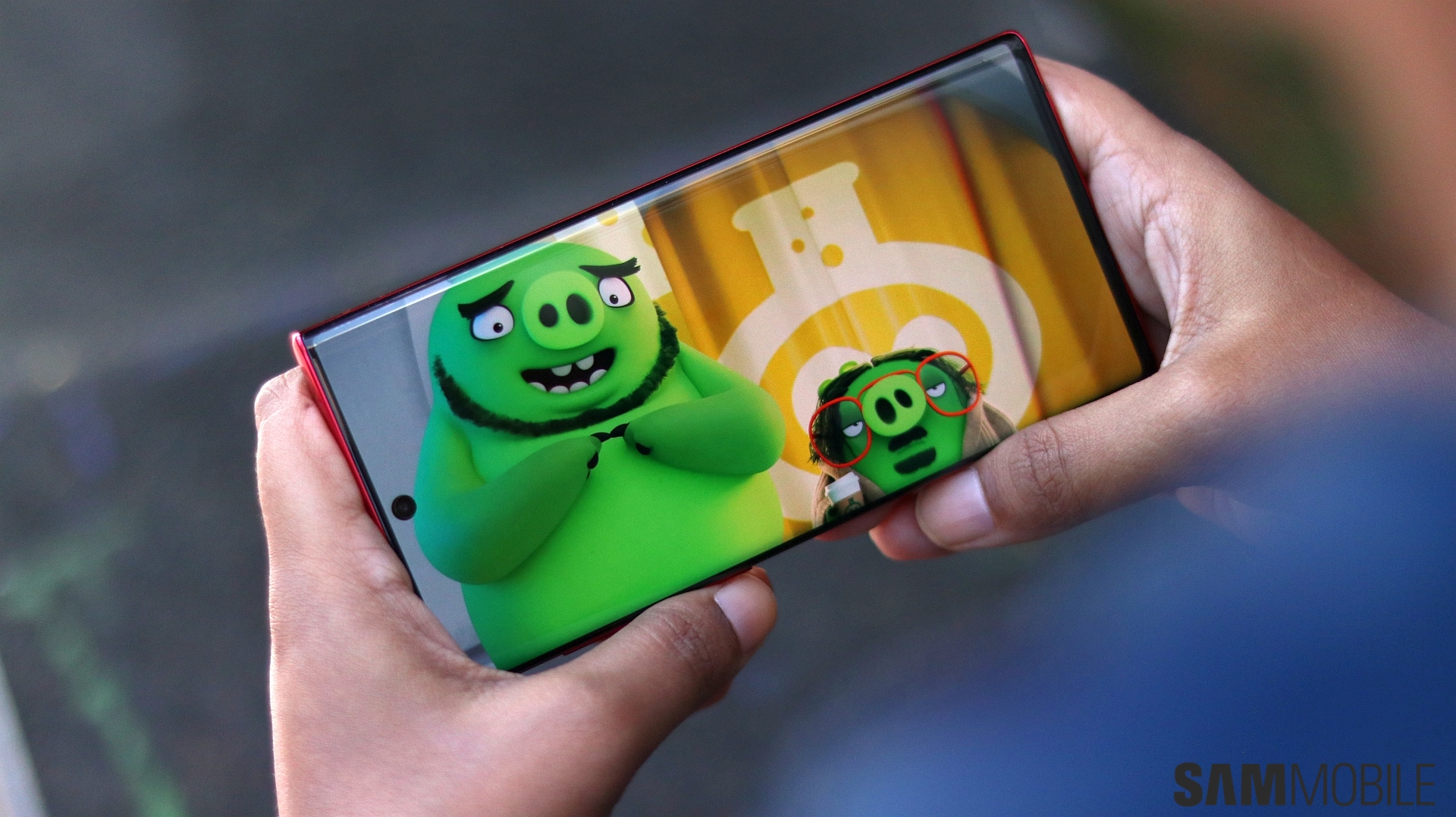
The 120Hz display mode will reportedly work only at Full HD+ resolution, not at WQHD+. The limitation probably has something to do with Samsung trying to balance battery life with a high-quality viewing experience, as higher refresh rates typically cause more battery drain. It also takes more processing power to maintain high frame rates, especially when gaming, so the compromise between screen resolution and refresh rate does make sense, even if it will disappoint many who had been looking forward to the 120Hz AMOLED display on the Galaxy S20.
And perhaps this will be a limitation we will see on phones from other manufacturers as well, including OnePlus' next phone, which is set to have a 120Hz display panel made by Samsung. Smartphone displays with 120Hz refresh rates are a new territory, one that multiple manufacturers are expected to enter this year, and it will be interesting to see if all of them will prevent users from enjoying the benefits of high refresh rates and high screen resolutions at the same time.
What do you think? Would it matter to you if the Galaxy S20 will force you to use a lower resolution in order to offer a higher refresh rate?

Abhijeet's writing career started with guides for custom firmware for Samsung devices (including the original Galaxy S), and he moved to SamMobile in mid-2013 and worked up the ranks to Editor-in-chief. In addition to phones and mobile devices, his interests include gaming on both PC and console, PC hardware, and spending countless hours on YouTube watching videos on tech, movies, games, politics, and internet dramas.