Last updated: July 9th, 2020 at 06:35 UTC+02:00
SamMobile has affiliate and sponsored partnerships, we may earn a commission.
Reading time: 2 minutes
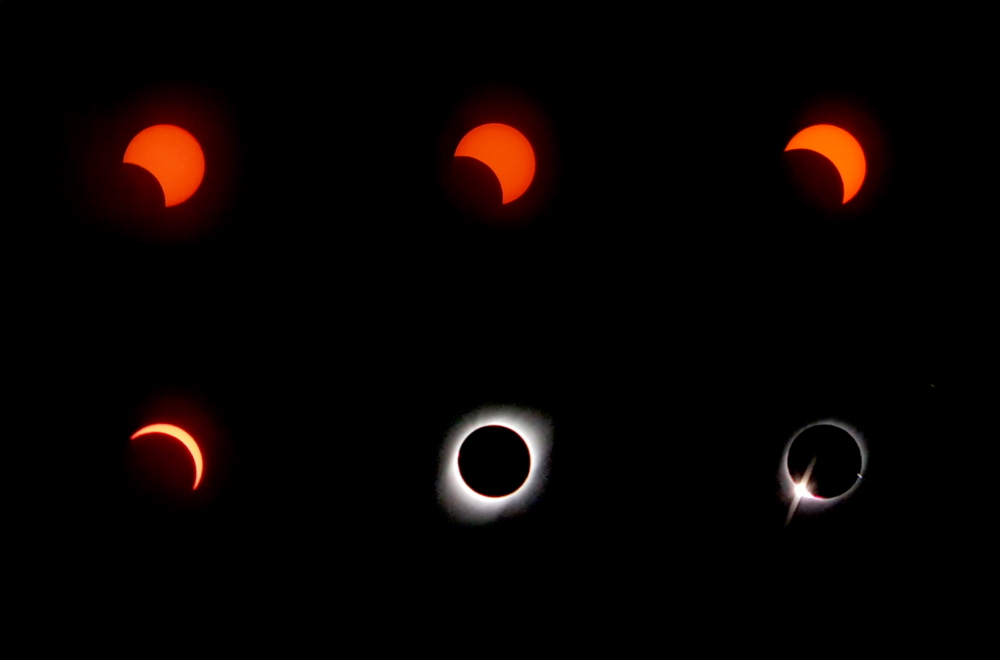
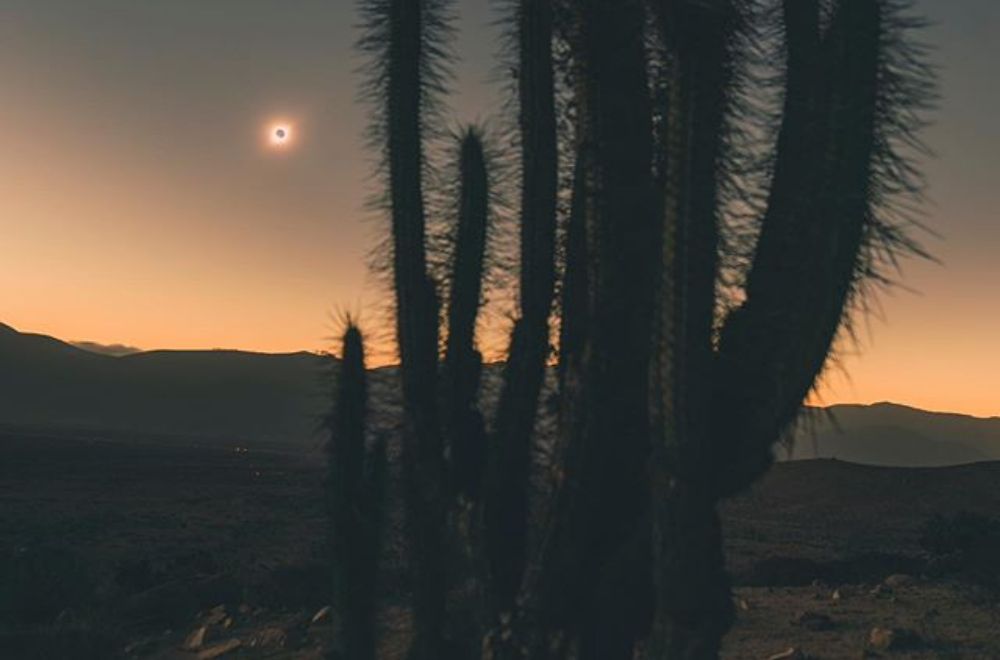
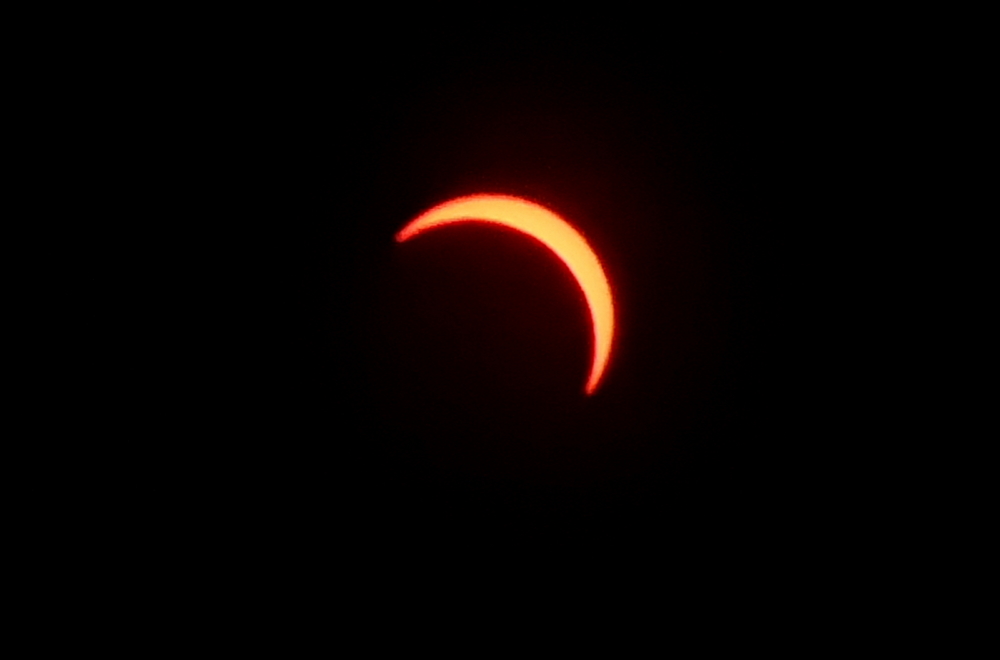
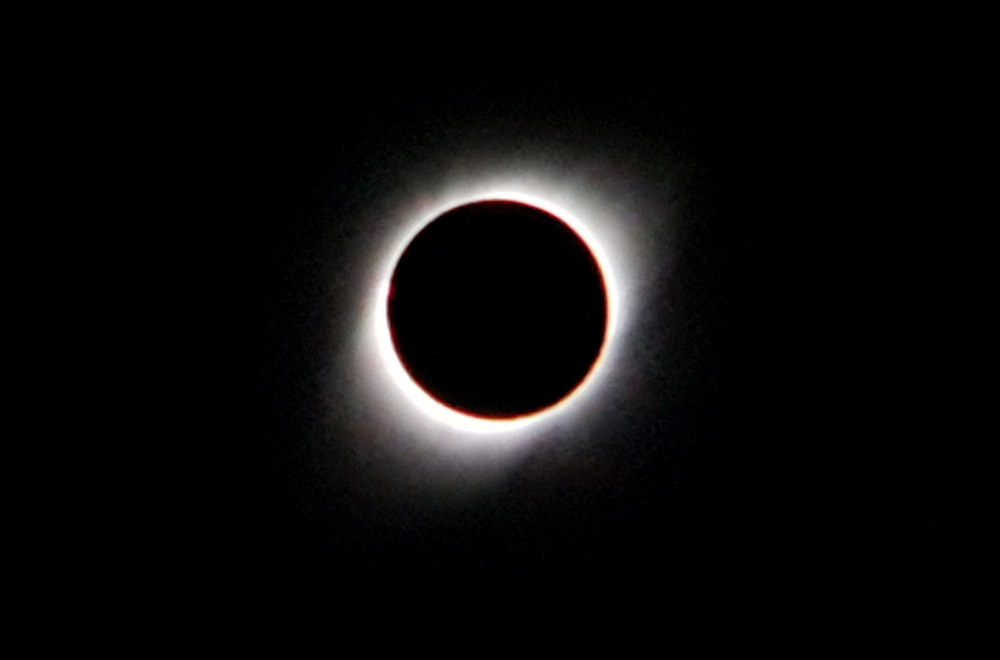
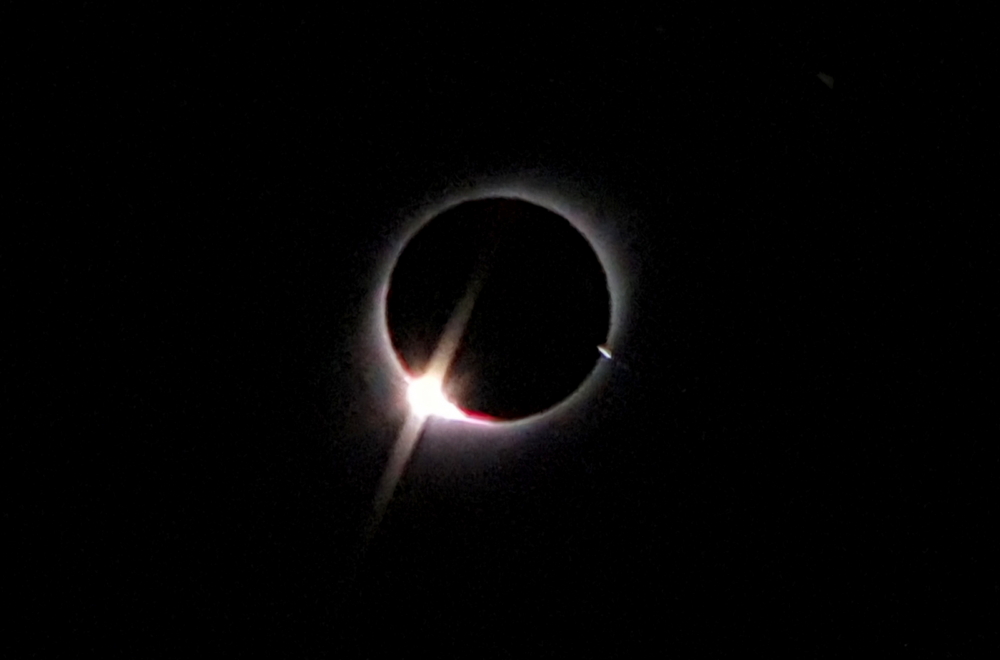
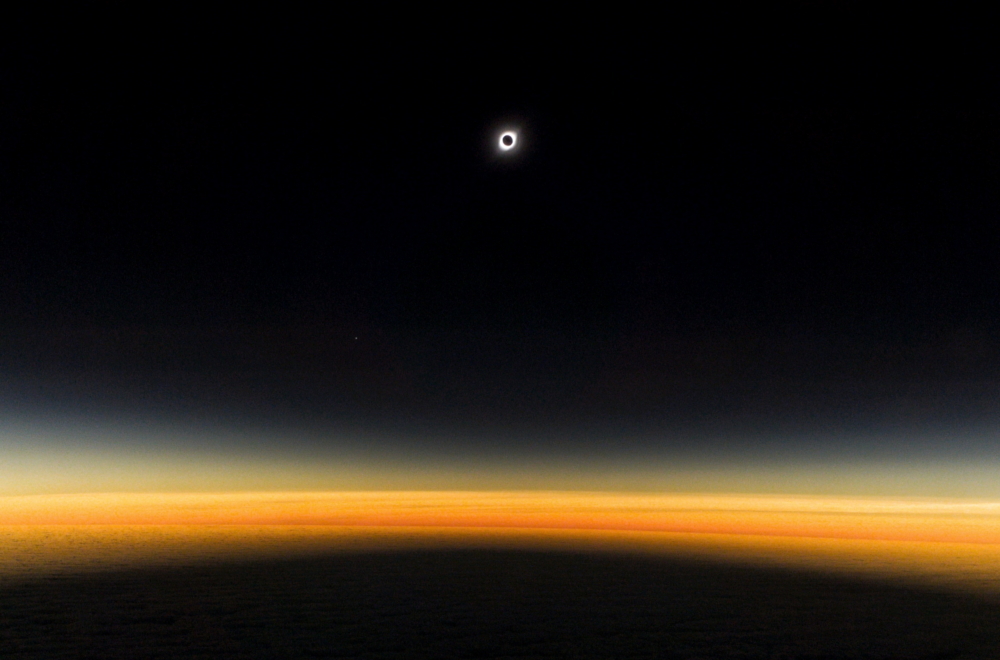
The most recent solar eclipse happened on Jun 21, and it was visible in Eastern Europe, Eastern Africa, and parts of Asia. In the wake of this celestial event, Samsung decided to look back at the images of the July 2019 solar eclipse in Chile using the Galaxy S10+. Iván Castro, a photographer who specializes in capturing eclipses, captured Chile's first total solar eclipse in decades using the Galaxy S10+ from the desert near the remote Chilean town of La Higuera. Another photographer, Tomás Westenenk, captured the eclipse from an airplane.
To remind you, the Galaxy S10+ features a triple-camera setup at its rear. It has a 12MP primary camera which uses a 1/2.55-inch sensor, F1.5-F2.4 dual-aperture, 1.4µm pixels, Dual-Pixel PDAF, and OIS. Its telephoto camera uses a 12MP sensor (1/3.6-inch) with F2.4 aperture, 1.0µm pixels, autofocus, OIS, and a 2x optical zoom lens. There's a 16MP ultrawide-angle camera (1/3.1 sensor) with an F2.2 aperture, 1.0µm pixels, and a 12mm lens. All three cameras can record 4K videos, and the primary camera can record 4K 60fps videos.
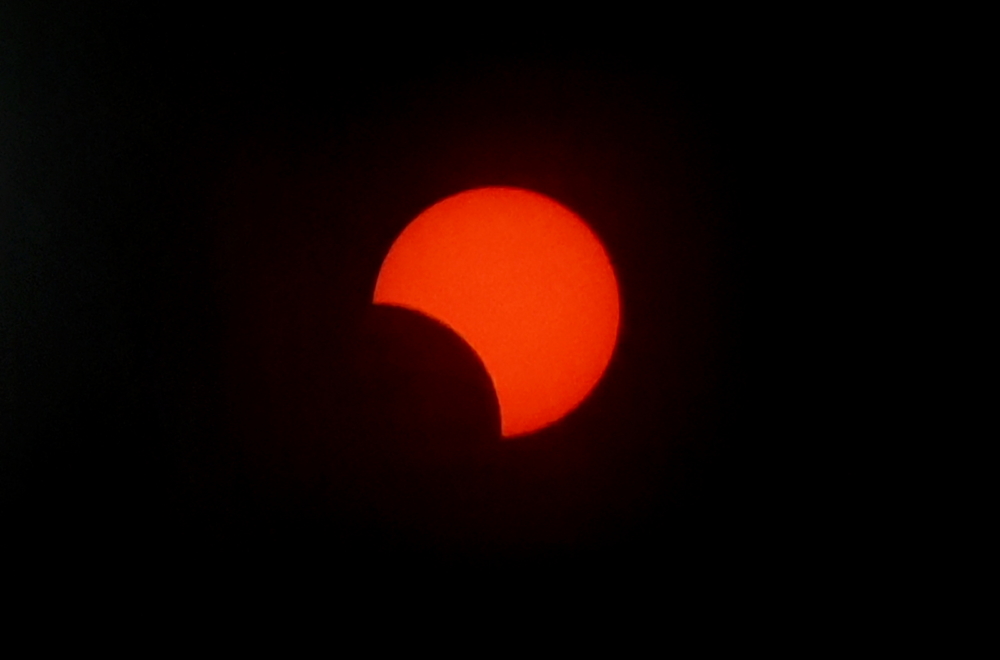
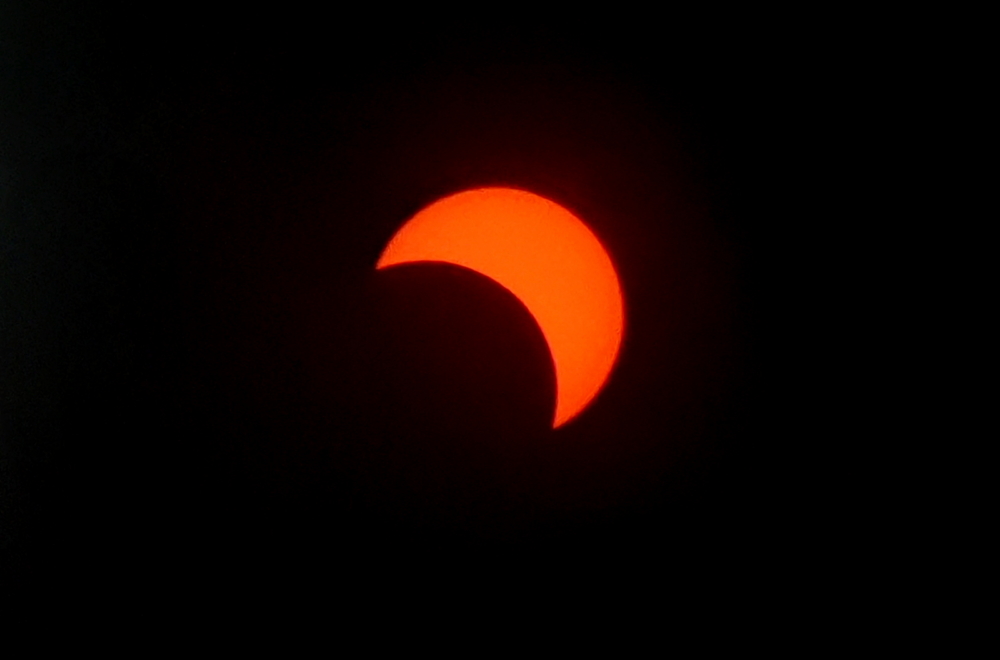
You can have a look at the July 2019 solar eclipse's images in the gallery below and read our review of the Galaxy S10+ here.

Asif is a computer engineer turned technology journalist. He has been using Samsung phones since 2004, and his current smartphone is the Galaxy S23 Ultra. He loves headphones, mechanical keyboards, and PC hardware. When not writing about technology, he likes watching crime and science fiction movies and TV shows.