
HAPPY HOLIDAYS – SamMobile. Awesome deals Galaxy Z Fold7, Watch8, S25 Ultra and S95F OLED TV
Last updated: December 27th, 2025 at 13:03 UTC+01:00
SamMobile has affiliate and sponsored partnerships, we may earn a commission.
Here are four things that we think Samsung needs to improve with its mid-range smartphones (Galaxy A, Galaxy F, and Galaxy M series).
Reading time: 3 minutes
Samsung’s mid-range smartphones have long been the company’s sales drivers, especially in markets like Europe, India, and Southeast Asia. The Galaxy A series aims to provide a great smartphone experience at affordable prices. However, in a fiercely competitive market dominated by Chinese brands that aggressively push specifications, Samsung can no longer solely rely on brand trust.
There are four areas where Samsung urgently needs to step up to make its mid-range phones instantly more recommendation-worthy.
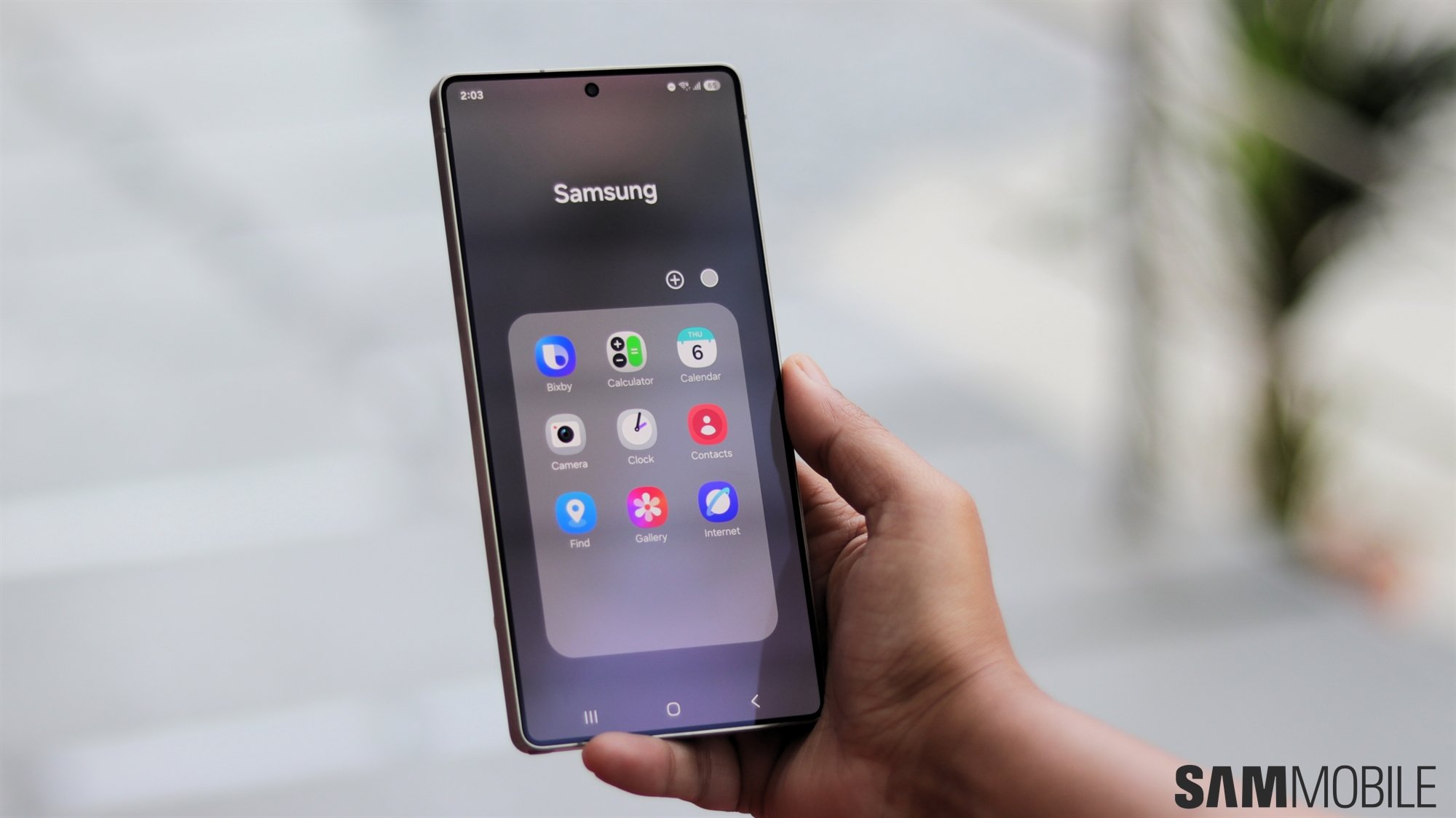
Samsung makes some of the world's best OLED screens, yet its mid-range phones often fail to look truly modern from the front. They still have uneven bezels, featuring a thicker chin that stops Galaxy A phones from looking premium. This design compromise feels unnecessary, especially in 2025.
Some mid-range phones released this year, like the Galaxy F36 and the Galaxy M36, even went backwards in terms of displays. Even though their predecessors had a more modern-looking punch-hole-shaped cutout, these newer phones have a U-shaped display notch, which looks ugly.
Performance is another weak spot of mid-range Galaxy phones. Samsung often uses Exynos chips in its mid-range phones. While they are adequate for daily use, the chips fall behind in graphics performance. Casual users may not notice the difference, but power users and young consumers do, especially since they are more likely to play games on their phones.
Samsung doesn’t need to use flagship-grade processors. The CPU performance of mid-range Exynos chips like the Exynos 1580 is already strong enough. They just need a stronger GPU and better sustained performance to improve the gaming experience.
A powerful GPU also improves the overall UI fluidity and enhances a phone's long-term usability. This is especially important as Samsung is now offering as many as six major Android OS updates, so the GPU needs to be powerful enough to perform well even after six major software updates.
Samsung's mid-range phones usually have decent cameras, especially in terms of colors and dynamic range. But they are artificially limited when it comes to videos. Even though mid-range Exynos chips are capable of recording 4K 60fps videos, even the best mid-range Galaxy phone does't use that capability.
Many users these days are content creators and heavy social media users. Offering 4K 60fps video recording on both the primary rear and the selfie cameras can instantly elevate the experience of shooting videos using Galaxy A series phones.
Battery life is one area where smartphone users still demand more. People want a phone that doesn't need charging every single day. While the current battery capacity on Samsung's mid-range phones (usually 5,000mAh) is decent, it doesn't stand out. Rival brands are stuffing their phones with 6,000mAh or larger capacity batteries and pairing them with faster charging.
A bigger battery would be a clear upgrade in everyday experience, especially when it is paired with better-optimized Exynos chips. A 6,000mAh battery in Galaxy A phones and a 7,000mAh battery in Galaxy F and Galaxy M phones would be an ideal combination. It makes sure Samsung's mid-range phones last more than a day for power users and even two days for regular users.
The mid-range market has rapidly evolved over the past two years, and Samsung can no longer afford to be complacent. With more uniform bezels, powerful Exynos graphics, smoother videos, and larger batteries, Samsung can transform its mid-range phones from safe choices into genuinely exciting upgrades.