







Last updated: May 3rd, 2026 at 19:35 UTC+02:00


I've been capping refresh rate on certain apps on my Galaxy phone, here's how

Not every app needs to run at a high refresh rate.

Abhijeet Mishra

Reading time: 3 minutes

galaxy s26 display

Abhijeet Mishra / SamMobile

Opinion

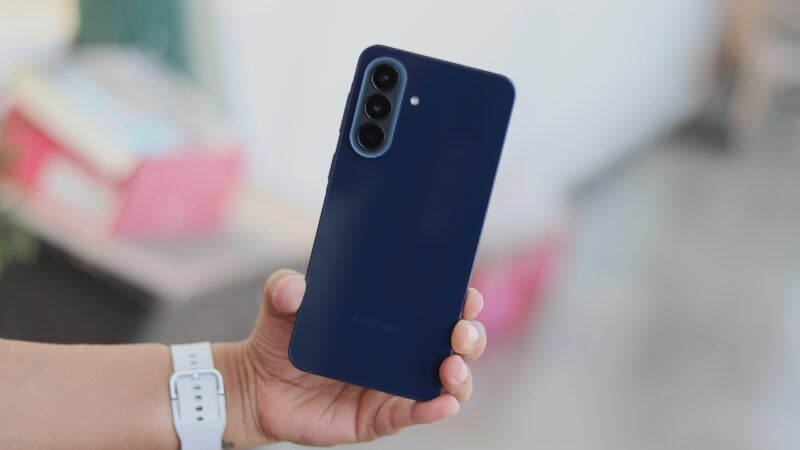
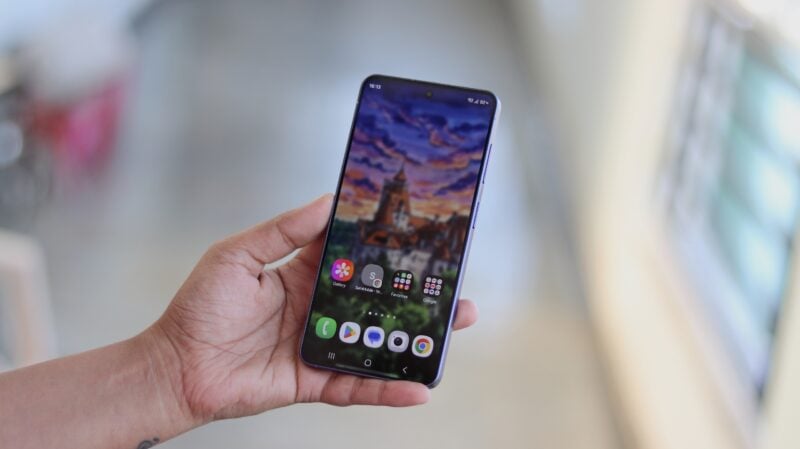
Galaxy S26 display - Source: Abhijeet Mishra / SamMobile

Once you start using a smartphone with a high refresh rate display, it's hard to go back. After getting used to the smooth animations and UI transitions, the standard 60Hz refresh rate starts feeling really laggy.

In fact, it's pretty much impossible to go back to a 60Hz display today even if you tried. Everything from affordable smartphones to top-of-the-line models is equipped with a high refresh rate display these days.

Galaxy smartphones are no different. Even the affordable Galaxy A07 5G has a 90Hz display. On the flagship side, 120Hz displays have been the norm for many years.

But here's the thing: high refresh rate displays have a battery life penalty, and not every app needs to run at the maximum refresh rate. Take YouTube, for example. Most videos you watch have a frame rate of around 25 fps, but the app still runs at the maximum refresh rate when you're actively using it.

Yes, that makes things feel smooth, like when you're scrolling through the comments section or flicking through all the video suggestions to pick something to watch. And yes, if your flagship Galaxy phone has a display with an adaptive refresh rate, it automatically drops the refresh rate to 60Hz when you play a video full screen and don't interact with it.

But the moment you touch the screen, 120Hz kicks back in, and in my opinion, that's unnecessary. So I capped it.

Samsung's Display Assistant app can force apps to run at standard refresh rate

Display Assistant, a Good Lock app from Samsung, lets you do exactly that. You can set individual apps to run at a standard 60Hz refresh rate, regardless of what your display is otherwise capable of.

To see if this made a meaningful difference, I ran YouTube for 30 minutes at 120Hz and then again at 60Hz under the same conditions. The battery drain was identical both times. So capping the refresh rate on a single app isn't going to dramatically extend your battery life, and I won't pretend otherwise.

But over the course of a day across multiple apps, it can add up. Either way, the option exists, and being able to make that call on an app-by-app basis is worth knowing about.

How to limit apps to standard refresh rate

Display Assistant works on Galaxy devices running One UI 7.0 (Android 15) and up. You will need to download it to get started: search for it on the Galaxy Store, or tap this link to go directly to the app's store page if you're reading this on your phone's browser.

If you can't find it on the Galaxy Store, you can download the app's APK file from this website, transfer it to your phone, and install it manually by opening it in the My Files (or any other file explorer) app.

Once installed, open Display Assistant from the app drawer and select Standard refresh rate apps. Here, tap the + icon to select the apps that you want to use in the standard refresh rate. You can select multiple apps at once.

If you want an app to go back to using your phone's maximum refresh rate, just long press its name in the list and hit the Remove button.

steps to customize app refresh rate using display assistant

Abhijeet Mishra

Steps to customize app refresh rate using Display Assistant – Source: Abhijeet Mishra