Last updated: March 31st, 2026 at 22:56 UTC+02:00
SamMobile has affiliate and sponsored partnerships, we may earn a commission.
It has a better approach to avoiding fragmentation.
Reading time: 4 minutes

Abhijeet Mishra / SamMobile
While Samsung stormed ahead in mobile AI with its Google Gemini partnership, Apple took a different approach. The company wasn't as open to teaming up with others initially, opting to tightly control Siri and available AI models on its devices to limit how outside intelligence interacted with its ecosystem.
As Gemini and others improved leaps and bounds over the competition, it made Apple's AI efforts feel considerably inadequate, while the consistent delays in the launch of the new AI-powered Siri also made it feel like Apple had mishandled one of the most important technological shifts in the industry.
Apple has since changed course. It recently announced a partnership with Google to use Gemini AI models in its own foundational models. This was a tacit admission that Google had created something that Apple would require a lot more time to catch up with, so it preferred embracing Gemini instead of shunning it.
Apple's latest move might put further pressure on Samsung's current AI strategy as it's reportedly going to make a major overhaul to Siri with iOS 27.
Several reports suggest that Apple is planning to open Siri to rival AI assistants in a major overhaul expected with iOS 27, allowing users to route requests to external AI services such as Google Gemini or Anthropic’s Claude directly through Siri.
Reports also suggest Apple Intelligence will allow different queries to be handled by different providers, effectively turning Siri into an AI router rather than a closed assistant. This would utilize a new “Extensions” system Apple is building which will enable users to pick which AI service provider handles their voice requests.
In other words, Apple may be conceding something important that modern AI is too complex for one company to dominate alone. And paradoxically, that admission could make Apple’s AI ecosystem stronger.
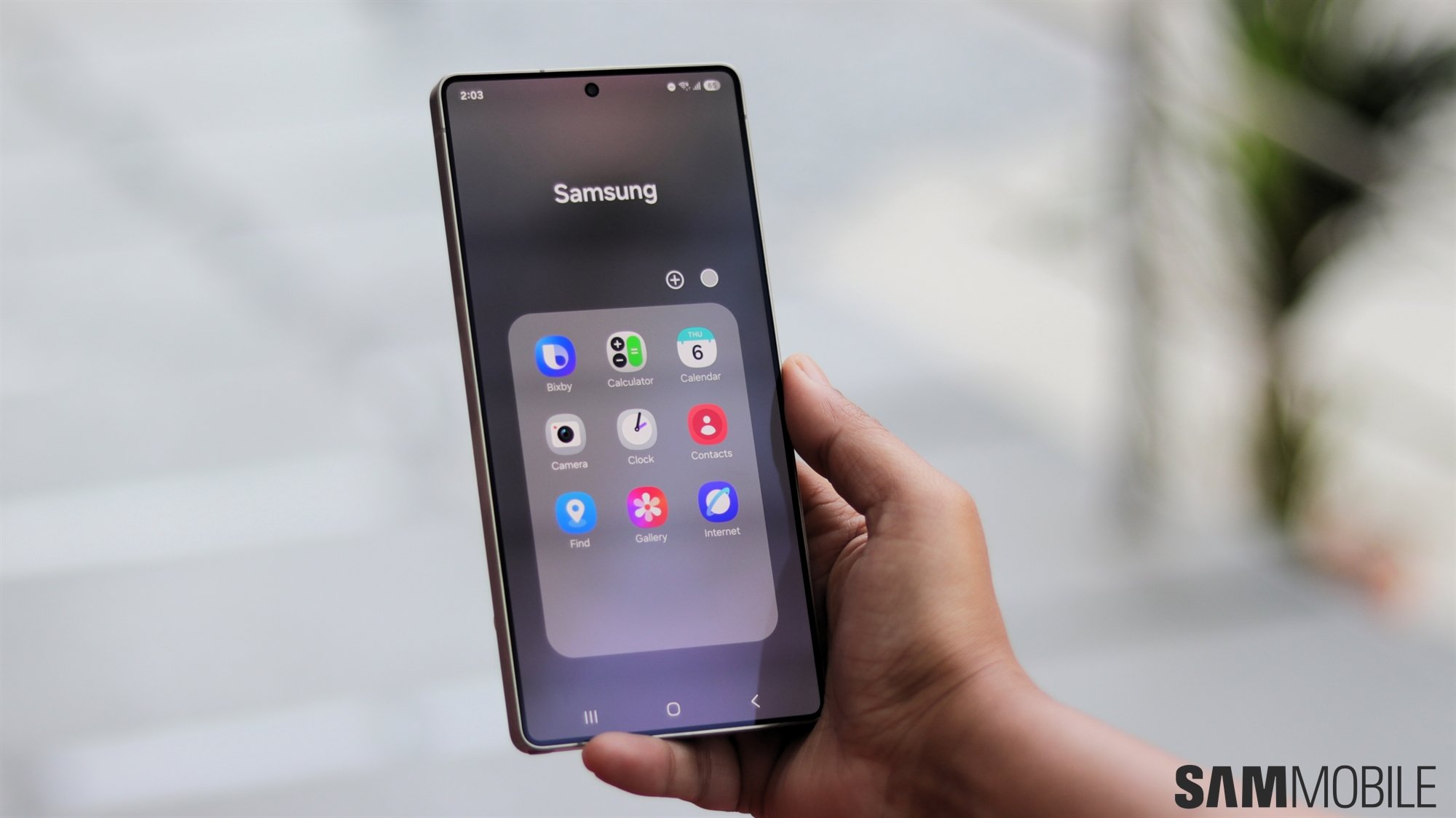
This will provide a fundamentally different user experience compared to what we can get on Galaxy devices. Gemini reigns supreme on Samsung's mobile devices and you can bet Google's not going to allow voice inputs for Gemini to be routed to other AI service providers like Claude and Perplexity. Samsung's Bixby assistant, once presented as a Siri rival, has only just received an AI injection where it now sends tasks off to Perplexity.
The approach Apple is reportedly going to take with Siri can be taken by Samsung for Bixby as well, but there's a major difference in the number of people who use Siri and those who even bother with Bixby on Samsung devices.
The vast majority of people will continue to use Gemini as the main voice-enabled default AI tool on their phones, not Bixby, so Samsung's ability to match what Apple is doing here will be limited even if it lets Bixby do the same thing.
For Apple, the benefit is quite evident. It just needs to integrate the best available intelligence rather than insist on owning every layer itself. That’s a pragmatic move, particularly after it has seen how trying to own every layer made it fall behind the comeptition.
In contrast, Samsung's AI strategy remains siloed. It currently relies on multiple assistants coexisting, but not truly collaborating. The result is fragmentation. Users must decide which assistant to use instead of having the system intelligently decide for them.
Samsung offers powerful tools but they don’t yet feel unified into a single AI experience. Apple’s reported direction suggests the opposite philosophy, one assistant interface with many AIs behind it.
There's no denying that Galaxy AI, the umbrella below which Gemini and Bixby exist, is a powerful suite of AI features. However, if Apple's newly adopted approach comes to pass, it would feel a lot more natural in terms of user experience with no fragmentation.
Simply offering more capability isn't enough, there should be enough clarity. As things stand, if what's reported about Apple's plans ends up being true, we might see the Cupertino company once again give Samsung a lesson in platform design.

Adnan Farooqui is a long-term writer at SamMobile. Based in Pakistan, his interests include technology, finance, Swiss watches and Formula 1. His tendency to write long posts betrays his inclination to being a man of few words.