Last updated: February 13th, 2026 at 12:48 UTC+01:00
SamMobile has affiliate and sponsored partnerships, we may earn a commission.
Reading time: 5 minutes
Phone camera zoom technology comes in three main types: optical zoom, digital zoom, and hybrid zoom. Optical zoom uses physical lens movement to magnify subjects without quality loss, while digital zoom crops and enlarges images digitally, causing pixelation. Modern smartphones often combine these with computational photography to create hybrid zoom systems that extend range while maintaining better image quality than pure digital zoom.
| Feature | Optical Zoom | Digital Zoom |
|---|---|---|
| How it works | Physically moves lens elements | Crops and enlarges image digitally |
| Image quality | Maintains full resolution | Reduces quality and introduces pixelation |
| Detail retention | Captures same detail as moving closer | Stretches fewer pixels, losing detail |
The key advantage of optical zoom lies in its ability to capture more detail without sacrificing image quality. When you use optical zoom, the camera's telephoto lens actually extends or adjusts its focal length, gathering the same amount of light and detail as if you'd physically moved closer to your subject. This means your 3x optical zoom photo will have the same sharpness and clarity as standing three times closer.
Digital zoom, conversely, takes the existing image from your camera sensor and digitally enlarges a portion of it. This process inevitably leads to quality degradation because you're essentially stretching fewer pixels across the same display area. The result is a softer, less detailed image that becomes increasingly pixelated as you zoom further.
Most smartphone camera zoom features clearly indicate when you're switching from optical to digital zoom, often with a visual change in the zoom slider or a slight pause in the zoom animation.
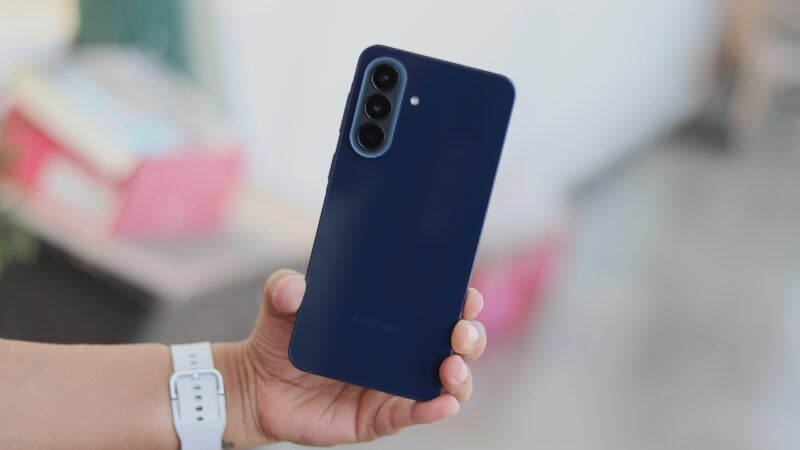
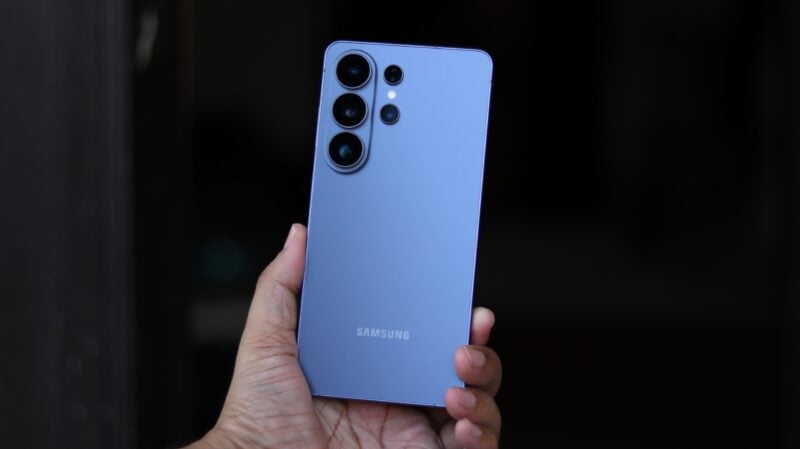
Telephoto zoom in smartphones uses dedicated zoom cameras with longer focal lengths than the main camera. These telephoto lenses work alongside the primary camera to provide true optical magnification, typically offering 2x, 3x, or even 10x optical zoom depending on the phone model.
Modern smartphone camera systems employ multiple lenses working together to achieve different zoom levels:
Periscope zoom designs represent the most advanced telephoto technology in phones today. These systems use a series of mirrors or prisms to fold the light path, allowing for much longer focal lengths within the thin profile of a smartphone. This clever engineering enables phones to achieve 5x, 10x, or even higher optical zoom ratios without making the device significantly thicker.
The camera app seamlessly transitions between different lenses as you zoom, often combining images from multiple cameras to create the final photo. This multi-camera approach allows manufacturers to offer various zoom levels while maintaining compact phone designs.
Hybrid zoom combines optical zoom capabilities with advanced computational photography and AI processing to extend zoom ranges beyond pure optical limits while minimizing quality loss. This technology allows phones to offer higher zoom magnifications than their optical systems alone could provide.
Phone manufacturers implement hybrid zoom for several strategic reasons:
The process typically works by using the maximum optical zoom available, then applying computational photography techniques to enhance the digitally enlarged portion. AI algorithms analyze the image to sharpen edges, reduce noise, and reconstruct detail that might otherwise be lost in traditional digital zoom.
This approach allows smartphones to advertise impressive zoom ranges while still delivering usable image quality at moderate magnifications. The quality gradually decreases as you zoom further, but hybrid processing ensures the degradation is more gradual and less jarring than switching directly to basic digital zoom.
Optical zoom consistently delivers the best photo quality because it captures full-resolution images without any digital processing or quality loss. Hybrid zoom offers acceptable quality at moderate magnifications, while digital zoom should only be used when you prioritize getting the shot over image quality.
For the sharpest, most detailed photos, stick to your phone's optical zoom range. Whether that's 2x, 3x, or 5x depends on your specific phone model, but staying within these limits ensures you're getting the maximum image quality your camera system can provide. The photos will have full detail, accurate colors, and minimal noise.
Digital zoom works best in bright lighting conditions where there's plenty of detail to work with. Avoid using high digital zoom in low light, as the combination of noise and digital enlargement creates particularly poor results. Consider it a last resort when you absolutely need the shot and can't physically get closer to your subject.
Understanding these different phone camera zoom types helps you choose the right approach for each photography situation. Optical zoom remains the gold standard for image quality, while hybrid systems extend your creative possibilities without completely sacrificing photo quality. At SamMobile, we regularly test these camera zoom technologies across different smartphone models to help you make informed decisions about your next device purchase.

Daniel is the proud co-founder of SamMobile. He joined the SamMobile team in 2011. Most of his spare time is spent enjoying nature (and life in general) with his wife & dog, friends, and family.