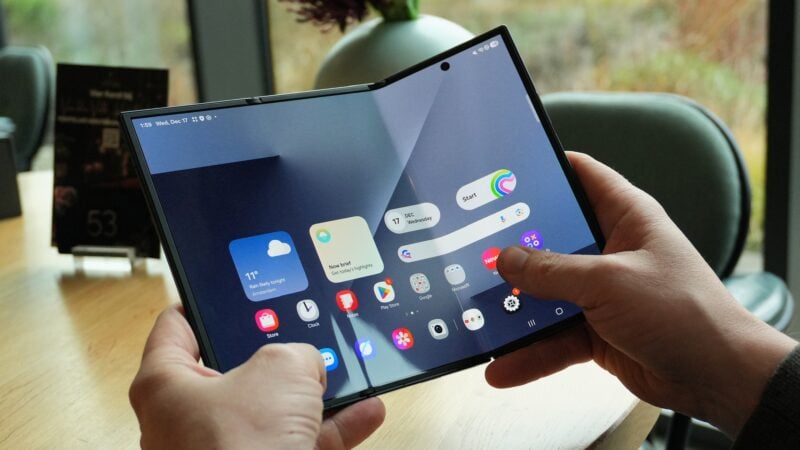
Portrait mode is a smartphone camera feature that creates professional-looking photos with a blurred background (depth of field effect) while keeping the subject sharp. It uses computational photography to simulate the shallow depth of field typically achieved with expensive DSLR cameras, making ordinary subjects appear more dramatic and visually appealing.
What exactly is portrait mode and how does it work?
Portrait mode uses your smartphone's camera sensors and software algorithms to separate the subject from the background, then artificially blurs everything behind your main focus point. Most modern phones achieve this through computational photography rather than true optical depth of field.
The technology works through the following process:
- Scene Analysis: Your phone analyzes the scene through multiple camera lenses or using a single lens with phase detection
- Depth Mapping: The software creates a depth map of the image, identifying which parts are close and which are far away
- Selective Blur Application: The system applies varying levels of blur to different areas, with the background receiving the most blur while the subject remains crisp
| Method |
How It Works |
Quality |
| Optical Depth of Field |
Traditional cameras create natural blur through lens physics and aperture settings |
Superior, natural-looking results |
| Smartphone Portrait Mode |
Algorithms recreate the effect artificially using computational photography |
Good results, but not always perfect around complex edges |
When should you actually use portrait mode on your phone?
Portrait mode works best in specific scenarios and conditions:
Ideal Subjects and Distance
- People, pets, or single objects
- Optimal distance: 2–8 feet from your subject
- Subjects against busy or distracting backgrounds
Best Lighting Conditions
- Natural daylight or well-lit indoor environments
- Avoid very dim lighting where software struggles with edge detection
- Even lighting helps distinguish between foreground and background elements
Perfect Use Cases
- Headshots and full-body portraits
- Close-ups of objects
- Food photography highlighting specific dishes
- Social media posts and profile pictures
- Adding professional polish to casual family photos
What are the most common portrait mode mistakes people make?
Distance and Positioning Errors
- Standing too close: Under 2 feet results in poor edge detection
- Standing too far: Over 10 feet creates unnatural-looking blur
- Insufficient visual information prevents accurate depth mapping
Lighting Problems
- Very low light conditions cause patchy blur effects
- Harsh backlighting confuses depth sensors
- Incorrectly blurred areas due to poor subject separation
Background and Subject Selection Issues
- Overly busy backgrounds with multiple depth layers
- Complex scenes like crowds or dense foliage
- Using portrait mode for group photos at different distances
- Inappropriate use for landscape scenes
- Overusing the feature when normal photos would look better
How do you get better portrait mode photos with any smartphone?
Positioning and Distance
- Maintain 3–6 feet distance from your subject for optimal results
- This sweet spot ensures accurate depth mapping while maintaining subject detail
- Focus on your subject's eyes when photographing people
- Tap the screen to ensure proper focus point before shooting
Background Selection
- Choose simple, uncluttered backgrounds
- Plain walls, open sky, or distant scenery work best
- Avoid complex scenes with multiple objects at varying distances
- Simpler backgrounds create more convincing blur effects
Lighting and Timing
- Shoot during golden hour or in bright, even light
- Position subjects near windows for natural, flattering indoor light
- Avoid shooting directly into bright light sources
- Ensure consistent lighting across your subject
Shooting and Post-Processing Tips
- Take multiple shots for consistent results
- Review photos carefully before moving on
- Experiment with adjustable blur intensity settings
- Use built-in editing tools to fine-tune effects
- Adjust lighting and change focus points in post-processing
Portrait mode transforms ordinary smartphone photography into something more professional and visually striking. Understanding how the technology works, when to use it, and how to avoid common pitfalls helps you create better mobile photography. Remember that portrait mode is just one tool in your smartphone camera arsenal. At SamMobile, we believe that mastering these techniques, combined with good composition and timing, will significantly improve your mobile photography results.
Related Articles
This content was generated with the help of AI — it may contain mistakes