Last updated: April 8th, 2026 at 11:35 UTC+02:00
SamMobile has affiliate and sponsored partnerships, we may earn a commission.
From Screens Everywhere to Voice Everywhere?
Reading time: 3 minutes

Max Jambor / SamMobile
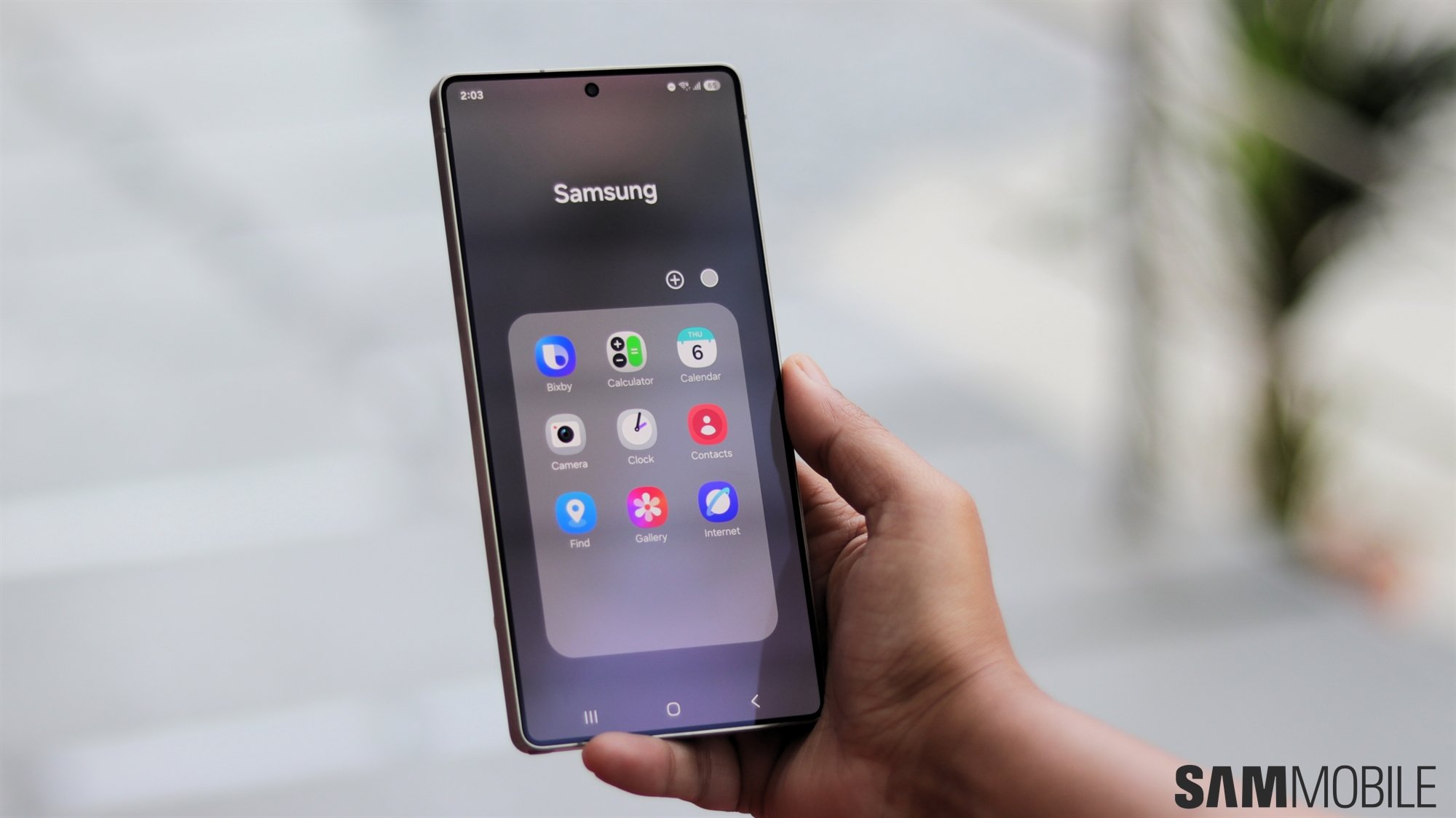
Samsung's digital assistant, Bixby, has received another significant update, now rolling out to more devices. But what did that journey look like behind the curtain, and where is it headed?
Jisun Park, Head of Language AI at Samsung, recently shared behind-the-scenes insights into the development of Bixby 4 and its intended direction.
Version 4 transforms Bixby from a basic assistant into a “device agent” capable of understanding context, linking functions, and executing complex tasks. But according to Mr Park, the transformation was far from easy.
Rebuilding and reshaping Bixby required extensive work under the hood. Jisun Park says the most difficult challenge was overhauling the core architecture.
Before version 4, Bixby relied heavily on preset scenarios to execute tasks. The new version replaces that approach with a Large Language Model at its core, allowing it to interpret intent and generate execution plans dynamically.
This approach presents its own unique challenges that differ across languages. Interestingly, Samsung says training the model for Korean proved especially difficult. Korean's linguistic complexity required additional effort to ensure Bixby could accurately reflect the language's nuances.
With Samsung and AI almost becoming synonymous in recent years, the question of an end goal for Bixby has become that much more important. So, what is the goal for Bixby, according to Samsung?
With Bixby, simply speaking is enough to get things done.
This quote seemingly defines Bixby's direction. Samsung's new Bixby 4.0 update set the tone by transforming the platform from app and menu-based interactions to conversation-driven ones.
So, the end goal is simple: To create Samsung devices of all kinds, from mobile to home appliances, that are capable of understanding context, holding natural conversations, and executing tasks based on reasoning rather than rigid commands.
Does that mean Samsung intends for Bixby to replace touchscreens? Unlikely. In fact, Samsung's strategy for the past couple of years has been “Screens Everywhere.” The latter is why the company's latest washing machines feature 7-inch, smartphone-like touchscreens.
So, no, it doesn't look like Samsung intends for Bixby to be the catalyst of a screenless revolution. Far from it. But at its best, Bixby will make menu diving far less necessary and encourage users to use voice commands more often. Not only when using their mobile phones but also their smart home devices.
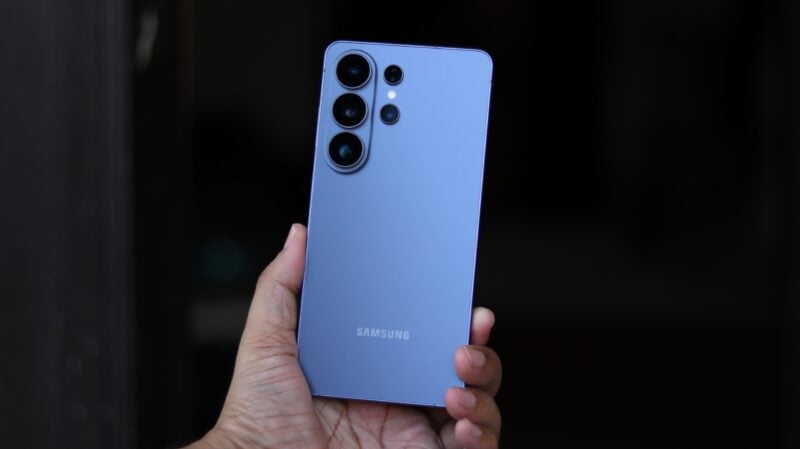
If you don't know which version of Bixby your Galaxy phone is running, open the assistant, tap the cog icon, and access About Bixby. If you don't have access to Bixby 4 yet, you can wait for the update to reach more terminals or buy a device with Bixby 4 out of the box — such as the new Galaxy S26 or the Galaxy A57.

Mihai is a blogger and column writer at SamMobile. His first Samsung phone was an A800 which took a lot of beating, and a part of him still misses the novelty of the clamshell design. In his free time, he enjoys watching shows, documentaries, and stand-up comedy; listening to music, taking walks, and occasionally playing old(er) video games.