

Last updated: May 4th, 2026 at 14:55 UTC+02:00


Apple's latest iPhone 18 price hike signal is bad news for Samsung fans

It was fun while it lasted.

Adnan Farooqui

Reading time: 4 minutes

two separate galaxy s26 ultra colors

Abhijeet Mishra / SamMobile

Opinion

Galaxy S26 Ultra colors - Source: Abhijeet Mishra / SamMobile

People tend to take notice when Apple does something out of the ordinary. The company mentioned “product pricing” in its latest 10-Q quarterly report as a strategic tool to counter astronomical NAND and DRAM costs.

Wall Street analysts picked up on that signal. Morgan Stanley is now predicting a price increase of at least $100 for the entire iPhone 18 series. The increase won't get customers more of anything. Apple will offer the same storage configurations but now priced higher than last year.

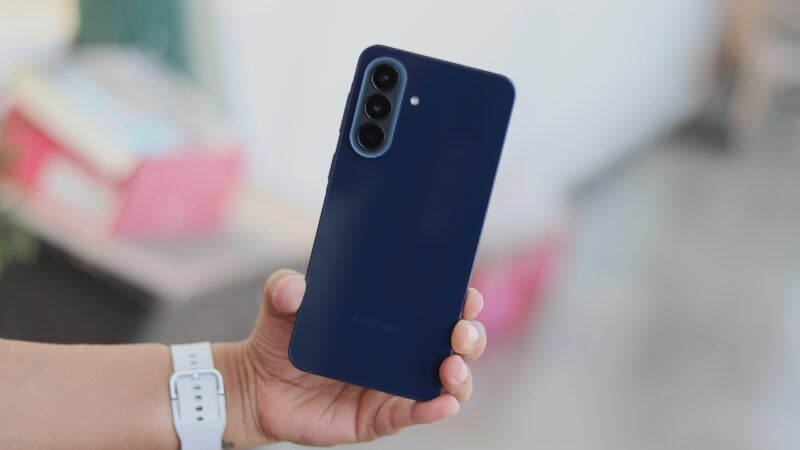
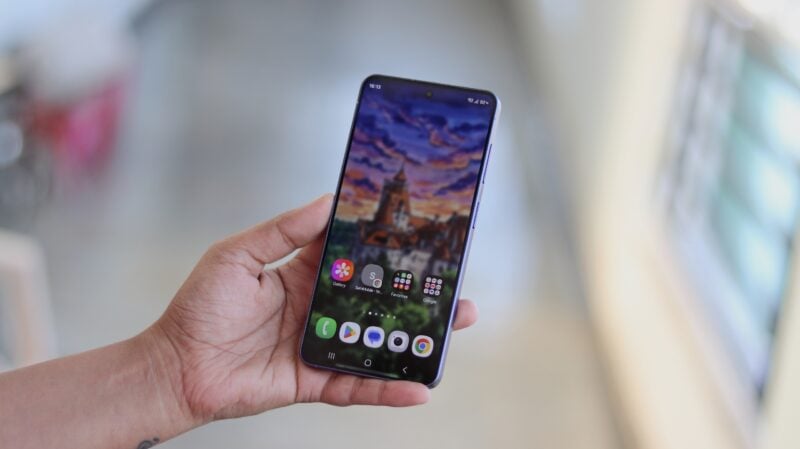
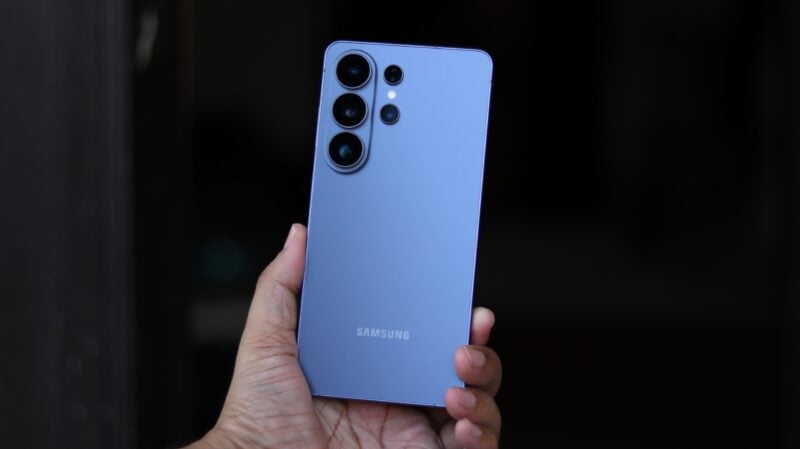
We've already explained that your next Galaxy phone is going to cost more, but Samsung is not to blame. It's similarly exposed to the rise in component prices which forces the company to make difficult decisions. It can either raise prices to protect its margins or take a loss.

There are already some estimates that the company's mobile division could end up with an annual loss this year largely due to the memory prices that are out of control.

Apple may have only just hinted at what's to come, Samsung has already did what needed to be done. It has quietly increased the prices of several Galaxy phones and tablets in the United States last month. The price hikes range from $40 to $180, depending on the device and configuration. The signal is clear, we're witnessing an end to predictable pricing in the mobile industry.

It's the same line that connects Apple's regulatory disclosure and Samsung's silent execution. Industry-wide supply constraints and cost increases for components such as semiconductors, storage, and memory are to blame. AI companies are buying everything they can get their hands on, leaving little for the rest at prices never witnessed before. 

Samsung has approached this problem with a level of precision so far. It has kept prices of the base models constant, only electing to make variants with more storage and RAM expensive. It's clearly wary of pushing its main volume drivers any higher.

Instead, it is squeezing extra margin from the higher tiers, foldables, and flagship tablets, where buyers are already accustomed to paying a premium. This shows that Samsung, like Apple now, is running out of room to absorb costs and has to make calculated bets on where customers' price tolerance is the highest. 

How Apple is seemingly preparing its customers for the inevitable is worth noting. Analysts believe that the main goal of any iPhone 18 price increases is not to defend margins but to protect net profits  as incoming CEO John Ternus takes the helm. The company may be of the view that it must not deliver a drop in earnings soon after its biggest executive shakeup in nearly two decades.

Perhaps Apple will announce the increase with more context, possibly even justification, and try to sweeten the deal with new features. Either way, customers may be given a narrative, Samsung's customers have already received updated numbers on product pages without any explanation.

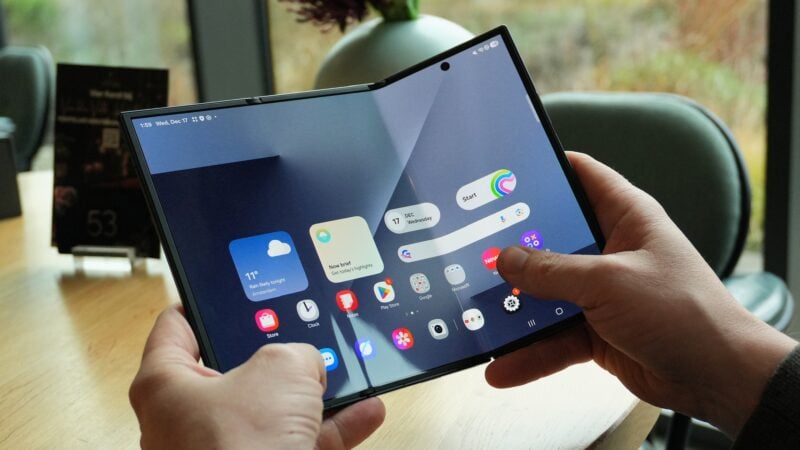
The increases Samsung has made so far may very well be indicative of a pricing floor. This would be the baseline from which the Galaxy Z Fold 8, Galaxy Z Flip 8, the new wider foldable, and next year's Galaxy S27 series will be priced. 

From where things stand at the moment, the prices on offer today will likely be the lowest they will be for some time. Customers can wait for prices to fall in normal market conditions, but these are far from it. Between what Samsung has already done and Apple has signaled, the message couldn't be clear.

The era of stable smartphone pricing in the US and elsewhere is over. Neither of the two companies that dominate this market have any particular leverage to bring it back.