Last updated: June 8th, 2026 at 16:42 UTC+02:00


How the Galaxy S26 Ultra's display reduces the need for screen protectors

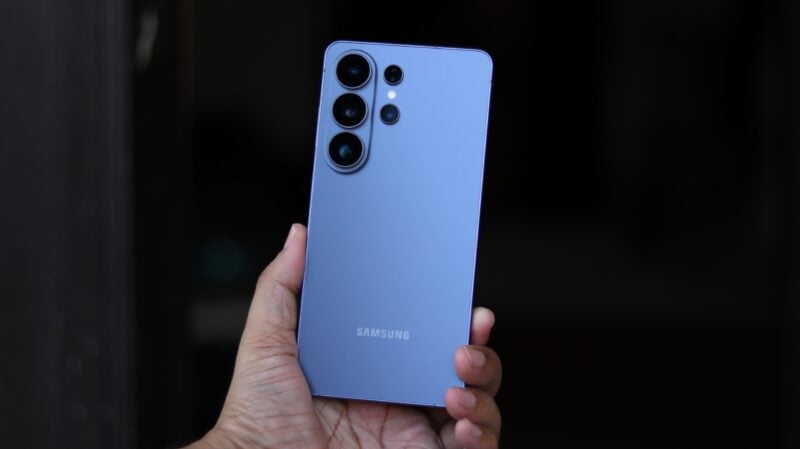
The Galaxy S26 Ultra makes a stronger case than most phones for skipping a screen protector.

Abhijeet Mishra

Reading time: 4 minutes

samsung galaxy s26 ultra

Samsung

Sponsored

Samsung Galaxy S26 Ultra - Source: Samsung

Most people add a screen protector to a new phone out of habit. It’s an understandable instinct — a flagship smartphone is an expensive device and protecting it makes sense.

But the Galaxy S26 Ultra makes a stronger case than most phones for skipping at least some of those extra layers. A combination of tougher glass, an anti-reflective coating, and the world’s first built-in Privacy Display[1] on mobile together address the three main reasons people typically reach for a protector in the first place.

Here is a quick overview of what the Galaxy S26 Ultra’s display protection includes:

  • Gorilla Armor 2: Exclusive to the Galaxy S26 Ultra, with significantly better scratch and drop resistance than standard smartphone glass.
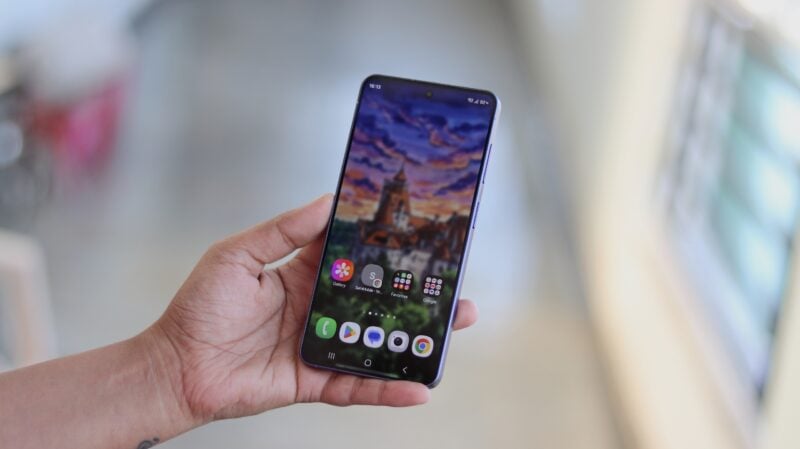
  • Anti-reflective coating: Cuts reflections by up to 75%, removing the need for matte screen protectors.
  • Privacy Display: A built-in display feature that narrows the screen’s viewing angle on demand, making its content visible only to you andreplacing the need for physical privacy films.

What glass does the Galaxy S26 Ultra use?

The Galaxy S26 Ultra uses Corning Gorilla Armor 2, which is exclusive to the Ultra model — the Galaxy S26 and Galaxy S26+ use Gorilla Glass Victus 2 instead. Gorilla Armor 2 is a glass-ceramic material rather than standard aluminosilicate glass, which gives it different properties in both scratch and drop resistance compared to what you’d find on most other smartphones.

How scratch resistant is the Galaxy S26 Ultra’s display?

Standard smartphone glass, including Gorilla Glass Victus 2, typically starts showing scratches at level 6 on the Mohs hardness scale, with deeper grooves appearing at level 7. Gorilla Armor 2 resists scratches until level 7, with deeper grooves only appearing at level 8.

Gorilla Armor 2 demonstrates over four times more scratch resistance than competitive lithium-aluminosilicate cover glasses. In practical terms, most everyday objects — keys, coins, and most pocket dust — sit below level 6 on the Mohs scale, so they rarely cause visible damage to either glass type.

But certain types of sand and grit can reach level 7 and above. That's where Gorilla Armor 2 has a clear advantage. For most people this means the display holds up better over time with normal daily use, without needing a tempered glass protector to absorb micro-scratches.

How well does the Galaxy S26 Ultra’s display handle drops?

In Corning’s lab tests, Gorilla Armor 2 survived drops of up to 2.2 meters onto a surface replicating concrete. Gorilla Glass Victus 2, by comparison, is rated for drops onto concrete from one meter.

The glass-ceramic composition of Gorilla Armor 2 is what makes this possible. It absorbs and distributes impact differently from standard glass, reducing the likelihood of cracks from everyday drops.

Does the Galaxy S26 Ultra have an anti-reflective display?

One of the main reasons people add a matte or anti-glare screen protector is to cut down on reflections outdoors in bright sunlight. Gorilla Armor 2 includes a built-in anti-reflective coating that reduces reflections by up to 75%. This is something Gorilla Glass Victus 2 does not include.

Because the coating is part of the glass itself, it performs consistently across the entire screen without the haze or reduced clarity that matte screen protectors often introduce. For most users, this removes one of the main reasons to consider adding an extra layer to the display.

What about privacy screen protectors?

The Galaxy S26 Ultra features the world’s first built-in Privacy Display on mobile. It narrows the screen’s viewing angle on demand, making its content visible only to you. It addresses the same problem that physical privacy films are designed to solve, but without the visual quality trade-offs those films typically bring.

Privacy Display can be turned on manually or set to activate automatically — for example, when opening a banking app or entering a PIN. Third-party privacy films typically cause a moiré effect on high-resolution screens and reduce brightness; Privacy Display does neither.

Do you still need a screen protector on the Galaxy S26 Ultra?

For most users, the Galaxy S26 Ultra’s display is durable enough that a screen protector becomes a personal choice rather than a necessity. Gorilla Armor 2 handles scratch and drop resistance better than standard glass, the anti-reflective coating replaces matte protectors, and Privacy Display replaces privacy films.

If you want an additional layer of protection against the unexpected, Samsung’s own anti-reflecting films are worth considering. They are designed specifically for the Galaxy S26 Ultra and are engineered to work alongside Gorilla Armor 2’s coating rather than against it, unlike generic third-party options that can undo the anti-reflective properties of the glass.

[1] Privacy Display: Requires manual activation in settings to function. Privacy Display feature is not AI-powered.