Last updated: May 8th, 2026 at 11:01 UTC+02:00
SamMobile has affiliate and sponsored partnerships, we may earn a commission.
Every sequel supports eSIM.
Reading time: 3 minutes
Abhijeet Mishra / SamMobile
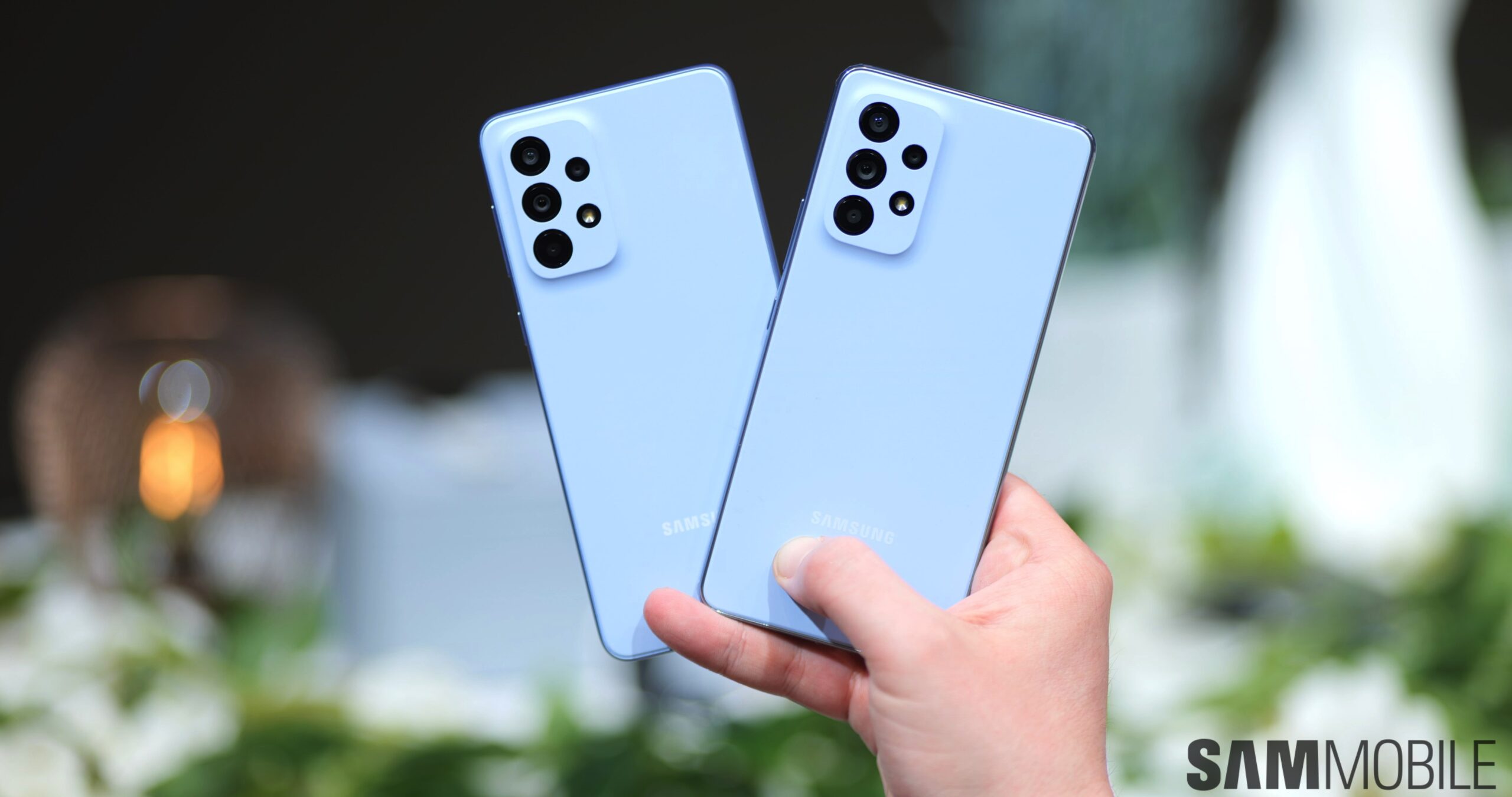
The Galaxy A53 has had a good run, and thanks to last year's One UI 8 update, you can still spot it in the wild from time to time. Still, it's showing its age, and there are plenty of reasons to consider an upgrade.
Today, however, we want to focus on one specific reason you may want to move to a newer Galaxy A5x model: eSIM support.
The Galaxy A53 was the last phone in Samsung's A5x lineup to lack eSIM capabilities. Every sequel, beginning with the Galaxy A54, has adopted the technology. Here's why that matters.
eSIM technology offers several advantages over physical SIM cards. Physical SIMs still have the upper hand in a few areas, but for many users, the benefits of eSIM outweigh the downsides. Ultimately, it depends on how you use your phone.
Pros of using an eSIM
Pros of using a physical SIM card
On a final note, if you're thinking about upgrading from the Galaxy A53 but are worried about eSIM limitations, here's the good news: you're not forced to use one.
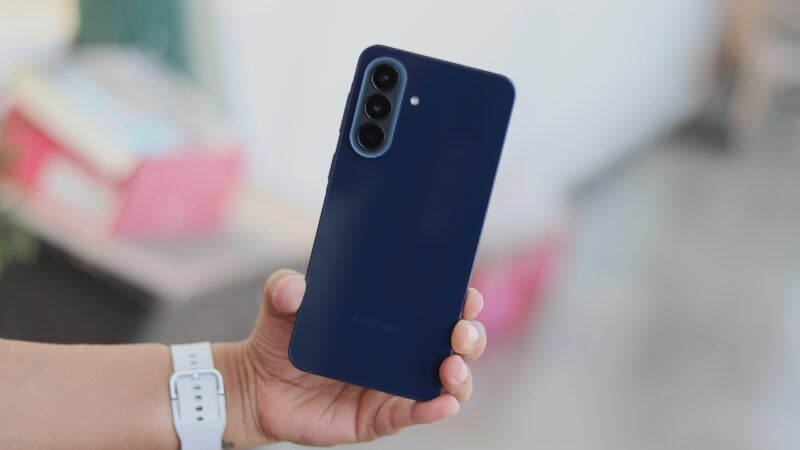
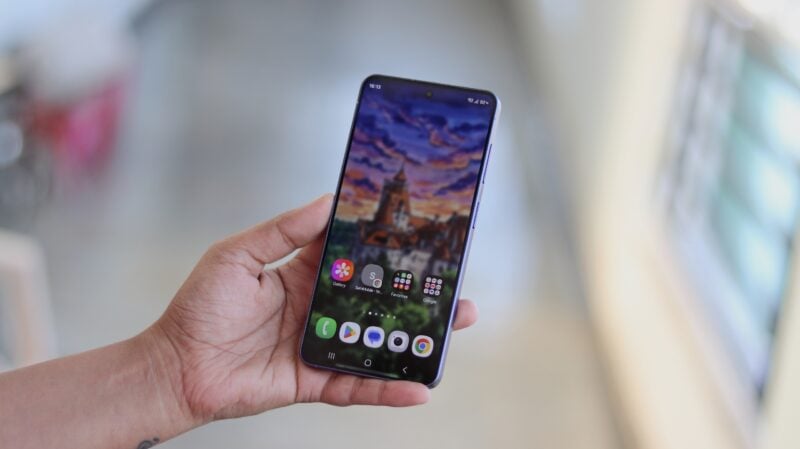
Newer A-series phones like the Galaxy A57 support both eSIMs and physical Nano SIM cards, and you can use an eSIM alongside a Nano SIM at the same time.
The Galaxy A57 starts at $549 / €529 / £529, but depending on your region, you may find it discounted or be able to trade in your Galaxy A53 for a lower price.

First Samsung device: SGH-A800
Mihai is a blogger and column writer at SamMobile. His first Samsung phone was an A800 which took a lot of beating, and a part of him still misses the novelty of the clamshell design. In his free time, he enjoys watching shows, documentaries, and stand-up comedy; listening to music, taking walks, and occasionally playing old(er) video games.