Last updated: June 28th, 2026 at 18:21 UTC+02:00
SamMobile has affiliate and sponsored partnerships, we may earn a commission.
Time to dig deeper into your pockets.
Reading time: 4 minutes

Abhijeet Mishra / SamMobile
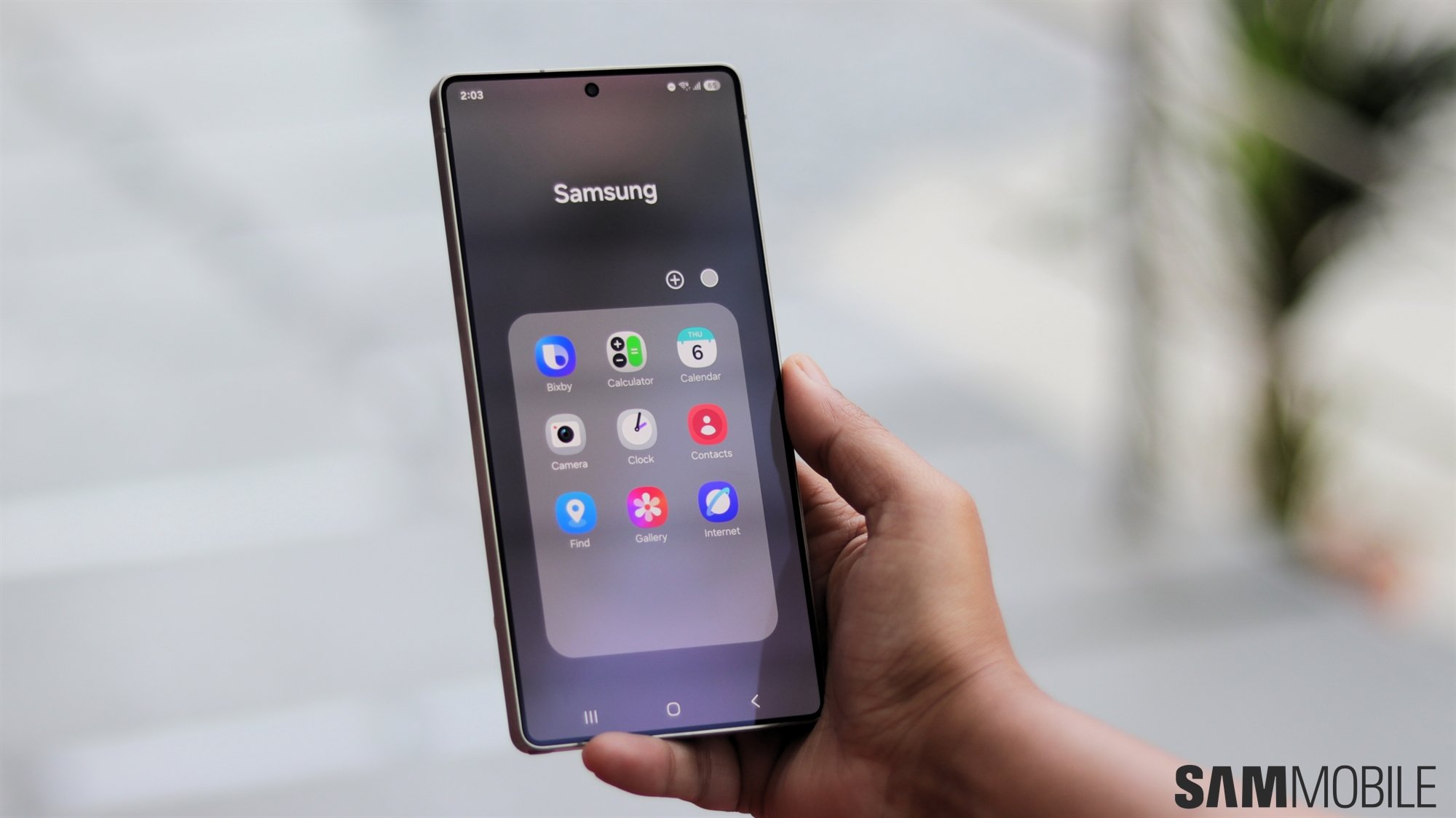
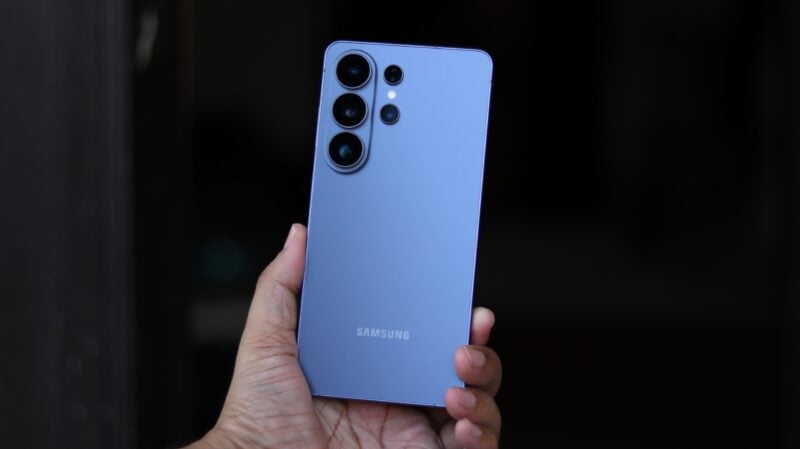
The global memory shortage is biting everyone and there have been signs that customers will be forced to pay more for their devices. Samsung has already raised prices of several mobile devices quietly this year and more price hikes may also be on the horizon for its upcoming products.
Consumers are sensitive to price and companies have to manage that. Yet, the dominoes fall one by one when major players start making the dreaded moves. Apple made such a move earlier this week, as it raised prices across several of its Mac computers and iPads. Outgoing CEO Tim Cook took great pains to explain that this was due to the unavoidable circumstances in the market.
The 512GB MacBook Air is now $200 more expensive, while the 1TB MacBook Pro has seen a $300 hike. The 128GB iPad Air received a $150 increase. Price hikes were also made for other configurations as well as for the HomePod smart speaker and the Apple TV set-top box.
Apple has not made any changes for existing iPhone models as yet, and prices remain unchanged for the Apple Watch and AirPods also. This doesn't mean that won't happen in the future, as the company said in a statement that “we have now reached a point where we need to begin raising prices on a number of products.”
It's entirely within the realm of possibility that the new iPhones Apple releases later this year will be more expensive, and we may see hikes for the smartwatch and earbuds as well. This is far from being just an Apple story, though. Faced with a similarly challenging situation, Microsoft has also raised prices for its Xbox gaming consoles.
This is the reality now about the economics of every consumer electronics device made by every company on earth. Contract prices for conventional DRAM have already doubled this year and are projected to become more expensive throughout 2026 and into 2027.
They are industry-wide figures, and they apply with equal force to every device that Samsung manufactures, sells, and ships into the hands of its customers. Apple tried to soften the blow with its CEO providing some context into the market dynamics.
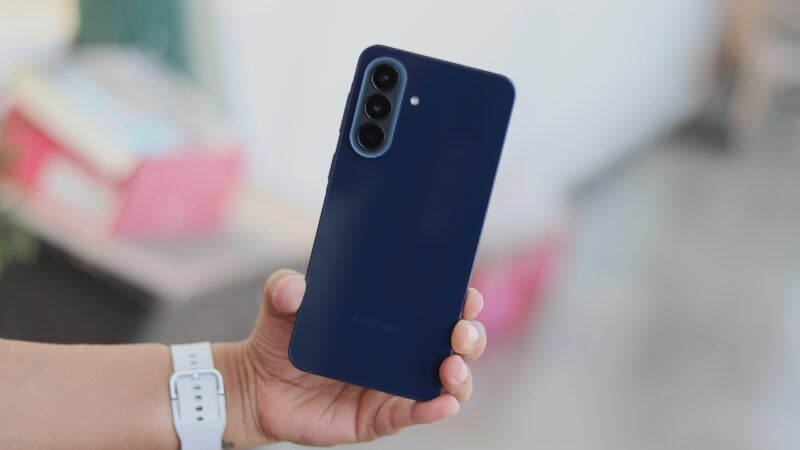
Samsung made a similar decision rather quietly back in April this year. The 512GB Galaxy Z Flip 7 got an $80 increase, the 256GB Galaxy S25 FE went up by $40, while the 512GB Galaxy S25 Edge became $80 more expensive. The flagship Galaxy Tab S11 Ultra saw a $100 increase while the 512GB model went up by $180.
No announcement, no prepared remarks about unprecedented component environments, no CEO interview to provide context. Samsung applied the increases and waited to see whether anyone noticed. Many didn't, until they reached checkout. The only balancing act it did was to keep the prices for base variants of phones unchanged.
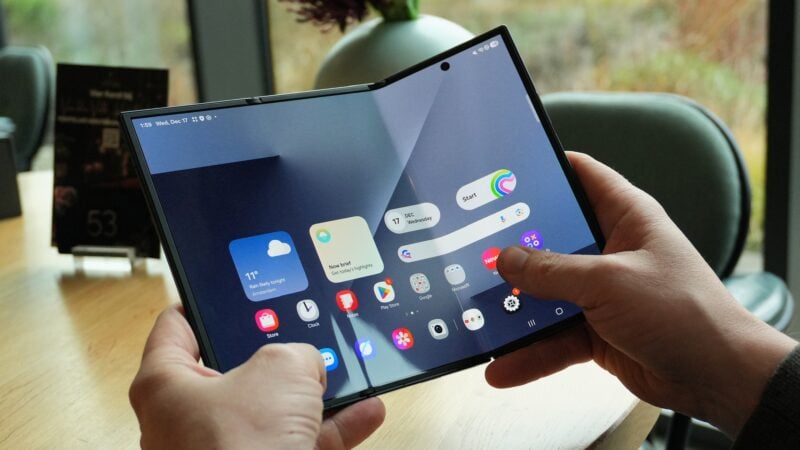
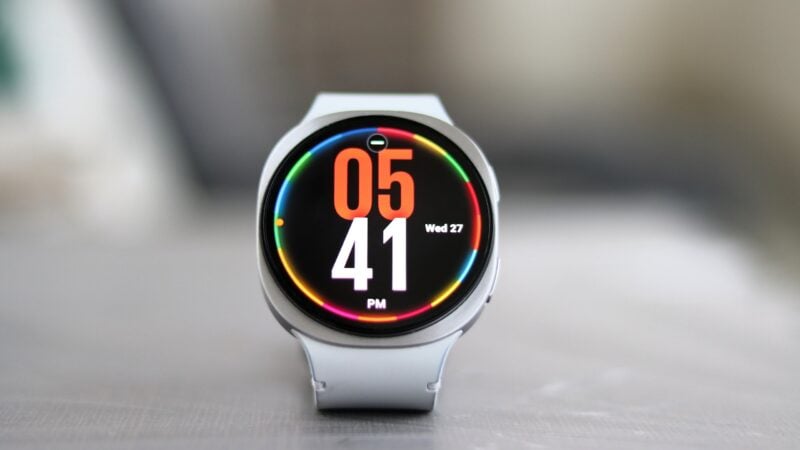
The timing of all of this relative to Samsung's Unpacked event next month is not comfortable. The company is preparing to launch new foldable phones, updated Galaxy Watch models, and possibly even smart glasses into a market that just received, in the clearest possible terms, a signal that the era of stable consumer electronics pricing is over.
These new devices are arriving in a cost environment that's beyond normalcy. With a likely iPhone price hike on the horizon as well, Samsung may have no choice but to even make the base variants of these new devices more expensive than the models they're replacing.
None of this is Samsung's mobile division's fault in any meaningful sense. The memory crisis is driven solely by AI demand which shows no sign of slowing down any time soon. It is simply, like every other consumer electronics manufacturer on earth, being asked to absorb a cost it cannot fully swallow and pass on a price it cannot comfortably justify.
What Apple's announcement did, more than anything else, is remove the last remaining cover for any company still hoping to manage this situation quietly. Consumers know what is coming even if Samsung hasn't signaled any further price increases for its new devices yet.
With Samsung's biggest rival making it abundantly clear that it has to charge higher prices, the company can now proceed with further increases knowing that it wouldn't be undercut by Apple, and so the domino for holding Galaxy prices steady may fall.
It remains to be seen, though, how Samsung softens the blow for consumers who want to upgrade. It may not have enough room to provide any meaningful relief, so consumers may have no other option but to either delay upgrading or pay more.

Adnan Farooqui is a long-term writer at SamMobile. Based in Pakistan, his interests include technology, finance, Swiss watches and Formula 1. His tendency to write long posts betrays his inclination to being a man of few words.