Published: July 7th, 2026 at 08:00 UTC+02:00
SamMobile has affiliate and sponsored partnerships, we may earn a commission.
Reading time: 6 minutes
Have you ever taken what looked like a perfect photo on your Samsung phone, only to transfer it to your computer and wonder where all that crisp detail went? You’re not alone. This frustrating experience happens to millions of phone users every day, and the reasons behind it might surprise you.
The difference between how photos appear on your phone versus your computer screen involves several technical factors working behind the scenes. Understanding these differences can help you better manage your photo quality and set realistic expectations when viewing your memories across different devices.
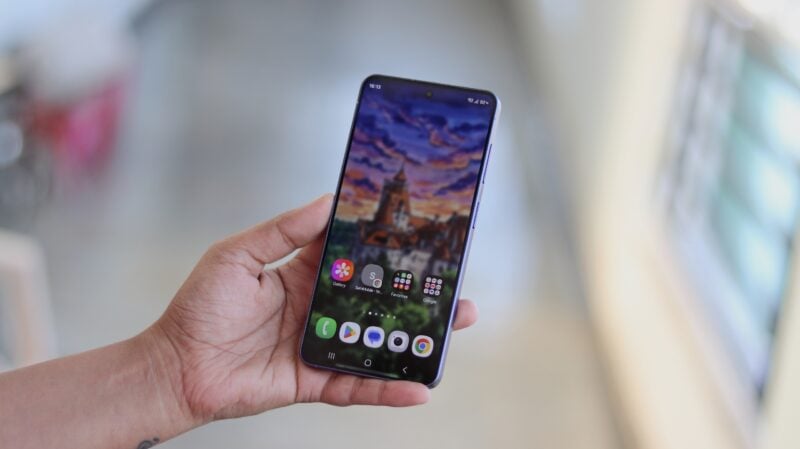
Phone photos often look worse on computer screens because your phone’s display is optimized to enhance images automatically, while computer monitors typically show photos without these enhancements. Your Samsung phone applies real-time color boosting, contrast adjustments, and sharpening to make photos appear more vibrant than they actually are.
Modern Samsung phones use AMOLED displays that naturally produce deeper blacks and more saturated colors. When you view the same photo on a computer monitor, especially an LCD screen, you’re seeing the image without these automatic enhancements. The result is what appears to be a duller, less impressive version of your original photo.
Additionally, your phone’s smaller screen size works in your favor. Details that look sharp on a 6-inch display can appear soft or blurry when viewed on a 24-inch computer monitor, simply because you’re seeing the same number of pixels spread across a much larger area.
Photo quality loss during transfer typically results from compression, file format changes, and the transfer method you choose. When photos move from your phone to your computer, they may undergo additional compression that reduces file size but also degrades image quality.
Different transfer methods affect quality differently. Emailing photos to yourself often compresses them significantly to reduce file size. Cloud services like Google Photos or Samsung Cloud may also apply compression depending on your storage settings. USB transfer usually preserves the original quality best, but even then, some apps automatically resize images during the transfer process.
Your phone’s camera settings also play a role. If you’re shooting in a compressed format like standard JPEG rather than high-quality modes, you’re starting with less image data. Samsung phones often have multiple quality settings, and lower settings create smaller files that look acceptable on your phone but show their limitations on larger screens.
Phone cameras use sophisticated software processing to automatically enhance photos in real time, applying noise reduction, sharpening, color correction, and HDR processing that makes images look better than the raw sensor data would suggest.
Your Samsung phone’s camera app works like a mini photo editor that processes every image instantly. It analyzes the scene and applies what it thinks will make the photo look best. This includes boosting colors in landscapes, smoothing skin in portraits, and enhancing contrast to make images pop. The phone’s AI even recognizes different scenes and applies specific enhancements for food, sunsets, or group photos.
The phone’s display then adds another layer of enhancement. Samsung’s adaptive display technology adjusts brightness, contrast, and color saturation based on ambient lighting and content type. This means the screen itself is actively making your photos look more appealing than they would on a neutral display.
Phone screens and computer monitors differ significantly in display technology, color accuracy, size, and viewing distance, all of which affect how photos appear. Phone screens typically use OLED technology with higher contrast ratios, while many computer monitors use LCD technology with different color characteristics.
Samsung’s AMOLED displays can show true blacks and extremely bright colors, creating a wider apparent color range than most computer monitors. This makes photos appear more vibrant and contrasty on your phone. Computer monitors, especially older or budget models, may have limited color reproduction and lower contrast ratios.
Screen size and viewing distance also matter significantly. You hold your phone about 12 inches from your face, while you sit roughly 24 inches from a computer monitor. This difference in viewing distance affects how sharp images appear and how noticeable compression artifacts become. A photo that looks perfectly sharp on your phone may reveal compression or focus issues when viewed larger on a computer screen.
To maintain consistent photo quality across devices, shoot in the highest quality settings available, use direct USB transfer methods, and adjust your computer monitor’s display settings to more closely match your phone’s color profile.
Start by checking your Samsung phone’s camera settings. Enable high-quality shooting modes and avoid heavy compression. If your phone offers RAW shooting, consider using it for important photos, though these files will be much larger. Turn off aggressive scene optimization if you prefer more natural-looking results.
For transfers, use a USB cable or high-quality cloud storage services that don’t compress images. Avoid emailing photos or using messaging apps, which typically reduce quality significantly. When using cloud services, check your quality settings to ensure you’re storing full-resolution images.
On your computer, calibrate your monitor’s brightness and contrast settings. Many monitors come with overly bright or washed-out default settings. You can also install color management software or use your operating system’s built-in display calibration tools to achieve more accurate colors that better match your phone’s display.
Understanding these differences helps set realistic expectations for your photos. While your Samsung phone does an excellent job of making photos look their best, the enhanced version you see on your phone screen isn’t necessarily the “true” representation of the image. At SamMobile, we help Samsung users get the most out of their devices by explaining these technical concepts in practical terms that make sense for everyday use.
This content was generated with the help of AI — it may contain mistakes

First Samsung device: Galaxy S II
Daniel is the proud co-founder of SamMobile. He joined the SamMobile team in 2011. Most of his spare time is spent enjoying nature (and life in general) with his wife & dog, friends, and family.