Last updated: July 13th, 2026 at 03:17 UTC+02:00
SamMobile has affiliate and sponsored partnerships, we may earn a commission.
Reading time: 6 minutes
Getting notifications on your Samsung phone is part of daily life, but those small icons that appear at the top of your screen can sometimes feel like a mystery. Understanding what these notification icons mean helps you stay on top of important messages, app updates, and system alerts without feeling overwhelmed by visual clutter.
Your Samsung phone uses these tiny symbols to give you quick information about what's happening with your apps and system functions. Learning to read these notifications makes your device much more useful and less confusing.
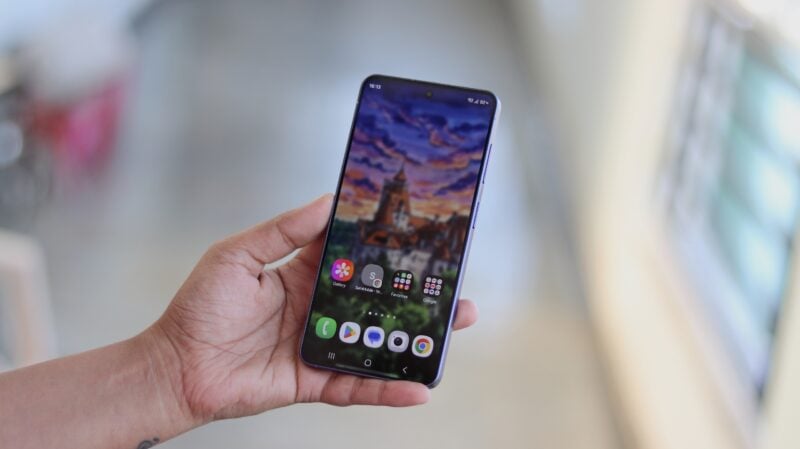
The small icons in your notification bar are visual indicators that show you have pending notifications from apps, system alerts, or device status updates. Each icon represents a specific app or function trying to get your attention, appearing in the status bar at the top of your Samsung phone's screen.
These notification icons serve as a quick reference system. When you see them, you know something needs your attention without having to open each app individually. The icons appear in different areas of your status bar depending on their type. App notifications typically show up on the left side, while system status indicators like battery, Wi-Fi, and signal strength appear on the right.
Your Samsung phone groups similar notifications together when you have multiple alerts from the same app. This prevents your notification bar from becoming cluttered with dozens of identical icons. The phone also prioritizes which icons to display when space becomes limited, showing the most recent or most important ones first.
The most common notification icons on Samsung phones include messaging apps like Samsung Messages and WhatsApp, email clients, social media apps like Facebook and Instagram, and system notifications for software updates, low-battery warnings, and missed calls.
Here are the notification icons you'll encounter most frequently:
Samsung also uses specific system icons for device functions. You might see a gear icon for system settings notifications, a shield icon for security alerts, or a battery icon with an exclamation mark for power-related warnings. These system notifications often require immediate attention, especially those related to security or device performance.
You can identify which app sent a notification by looking at the icon and pulling down your notification panel to view the full notification, with the app name clearly labeled. Each app uses its own unique icon that matches its main app icon or a simplified version of it.
The easiest way to identify notification sources is to swipe down from the top of your screen. This opens your notification panel, where you'll see expanded notifications with the app name, notification content, and timestamp. Even if the small icon in your status bar looks unfamiliar, the full notification panel provides complete context.
Some apps use variations of their main icon for notifications. For example, a messaging app might show an envelope instead of its full logo, or a news app might display a simplified version of its icon. Over time, you'll recognize these patterns and quickly identify which apps are trying to reach you.
If you're still unsure about a particular icon, you can long-press the notification in your notification panel. This opens options that clearly show which app created the notification and gives you controls to manage future notifications from that source.
Notification icons can look different on Samsung phones due to your current theme, One UI customizations, app-specific icon designs, or differences between Samsung's notification style and standard Android icons. Samsung's One UI interface applies its own visual styling to many notification elements.
Samsung customizes notification icons to match the overall design language of One UI. This means some icons might appear rounder, use different colors, or have slightly modified shapes compared to what you'd see on other Android phones. These changes are purely cosmetic and don't affect the notification's functionality.
Your chosen theme also influences how notification icons appear. Dark themes, colorful themes, or custom icon packs can change the appearance of notification icons to maintain visual consistency across your phone's interface. Some themes completely redesign icons, while others only adjust colors or styling.
App developers sometimes create multiple versions of their notification icons to work better with different phone interfaces. This means the same app might show slightly different notification icons on different Samsung models or software versions, but they all represent the same type of alert.
You can manage unwanted notification icons by going to Settings, then Notifications, and selecting the specific app to turn off its notifications entirely or customize which types of alerts it can send. You can also long-press notifications in your notification panel for quick access to these controls.
To hide specific notification icons while keeping the notifications themselves:
Samsung also offers notification categories for many apps, letting you customize which types of alerts you receive. For example, you might want email notifications but not promotional messages from the same app. This granular control helps reduce notification clutter while keeping important alerts active.
For a cleaner status bar, you can enable “Hide notification icons” in your status bar settings. This hides the individual app icons while still indicating pending notifications with a small dot or number.
Understanding your phone's notifications can transform your Samsung device from a source of confusion into a helpful communication tool. We hope this guide helps you feel more confident about managing the notifications that matter most to you, making your daily phone experience smoother and more enjoyable.
This content was generated with the help of AI — it may contain mistakes

First Samsung device: Galaxy S II
Daniel is the proud co-founder of SamMobile. He joined the SamMobile team in 2011. Most of his spare time is spent enjoying nature (and life in general) with his wife & dog, friends, and family.